

Microsoft Publisher has never had a Mac version, and opening a .pub file is now more urgent than it used to be. Microsoft is retiring Publisher in October 2026: Microsoft 365 subscribers lose access to the app on 1 October 2026, while support for perpetual versions ends on 13 October 2026.
That does not mean every old Publisher document suddenly disappears, but it does mean you should not leave important files in a format that only Publisher can read. A .pub file cannot be opened directly in Preview, Word for Mac, Pages, Canva, Affinity or Adobe InDesign.
The best route depends on what you need from the file:
| What you need | Best option | What you get |
|---|---|---|
| View, share or print the document | Get or create a PDF | A faithful, easy-to-open copy, but not a fully editable source file |
| Make a simple, non-critical file editable for free | Try LibreOffice Draw | A local import attempt; check every page carefully |
| Open a file without installing anything | Convert it to PDF online | Convenient for non-sensitive files, but results vary |
| Preserve or edit the original layout properly | Open it in Publisher on Windows | The most reliable recovery route, provided you have a valid perpetual Publisher copy |
| Keep updating the document on a Mac | Rebuild it in a Mac publishing app | A clean, editable replacement for the future |
Quick answer: For most people, the safest option is to get a PDF of the Publisher file. If it is a document you will update regularly, use Publisher on Windows once to export the PDF and collect the original assets, then rebuild it in a Mac app such as Swift Publisher, another Microsoft Publisher alternative for Mac or one of the many excellent desktop publishing software for Mac.
Microsoft Publisher is closing: what you need to do
Microsoft says that Microsoft 365 subscribers will no longer be able to access Publisher after 1 October 2026. If you have Microsoft 365 and still need to retrieve Publisher files, do it before that date. Installing Windows in a virtual machine does not preserve access to the Microsoft 365 edition after the deadline.
If you own a perpetual edition of Publisher, Microsoft says you can still install and use it after October 2026, but its support ends on 13 October 2026. In other words, it may remain useful for recovering old files, but it should not be the only place an important document exists.
Microsoft’s own advice is to save Publisher documents as PDF before the retirement date. For text-heavy documents, it also suggests opening the resulting PDF in Word, although it warns that layouts with graphics may change. You can read the full guidance in Microsoft’s Publisher retirement notice.
If you only received a .pub file, ask the sender for a PDF first. It is the quickest way to see the document exactly as it was designed, and it avoids a potentially poor conversion on your side.
1. Export the Publisher file as a PDF (best for viewing and printing)
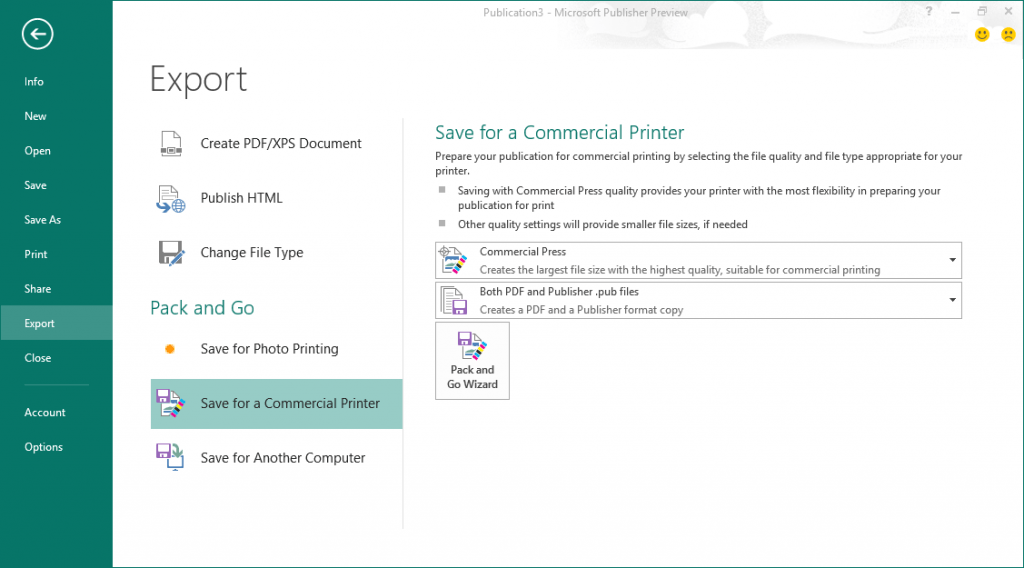
If you can still open the document in Publisher on a Windows PC, export a PDF before trying anything else. A PDF preserves the visual layout, fonts, images and page order far more reliably than converting the file to Word or importing it into another publishing app.
In Microsoft Publisher on Windows:
- Open the
.pubfile. - Select File > Export > Create PDF/XPS Document > Create PDF/XPS.
- Choose PDF as the file type.
- Select the appropriate quality option. Use Commercial Press if the file is going to a professional printer, or Standard for ordinary sharing and home or office printing.
- Save the PDF alongside the original
.pubfile.
Microsoft’s PDF/XPS export guide explains the print-quality options in more detail.
You can then open the PDF in Preview on any Mac, email it, upload it or print it. Keep both the PDF and the original .pub file: the PDF is the reliable archive copy, while the .pub file may still be useful if you later need to recover text or assets.
Do not expect a PDF to behave like an editable Publisher file. It is the right answer when the priority is faithful viewing or printing, not future layout editing.
2. Try LibreOffice Draw for a free local import
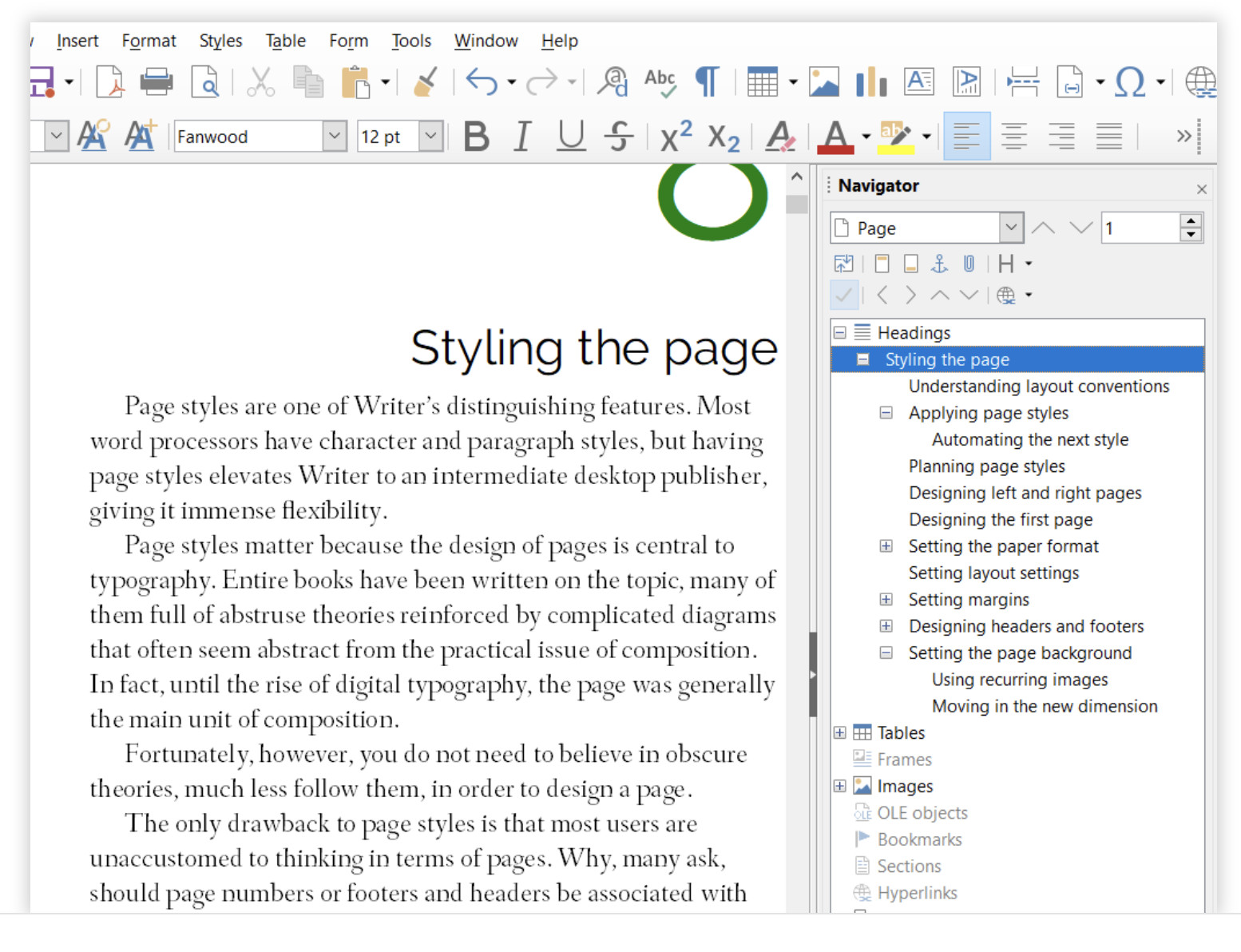
LibreOffice Draw is the best free, local option to try when you do not have access to Windows. LibreOffice includes an import filter called Microsoft Publisher 98–2010, so it can attempt to open older or simpler Publisher documents.
However, this is an import workaround, not a dependable .pub editor. Complex documents can open with missing fonts, displaced text boxes, broken tables, changed line spacing or missing images. Never edit the only copy of an important file in LibreOffice.
To try it:
- Download and install LibreOffice for Mac, then open LibreOffice Draw.
- Choose File > Open and select the
.pubfile. - Compare every page with the original or a known PDF, paying particular attention to text overflow, images, page breaks and printer marks.
- If the import is usable, save a new working copy in LibreOffice’s own format and export a PDF using File > Export As > Export as PDF.
LibreOffice is worth a try for an old flyer, school handout or simple newsletter, especially if you only need to recover text or make a small change. It is not the right choice for a document with complex columns, precise typography or a commercial print deadline.
Most importantly, do not expect to save the changed document back as a reliable .pub file. Use it to recover the content, then save a new editable version in a modern format and keep the original .pub untouched.
3. Convert a non-sensitive .PUB file online
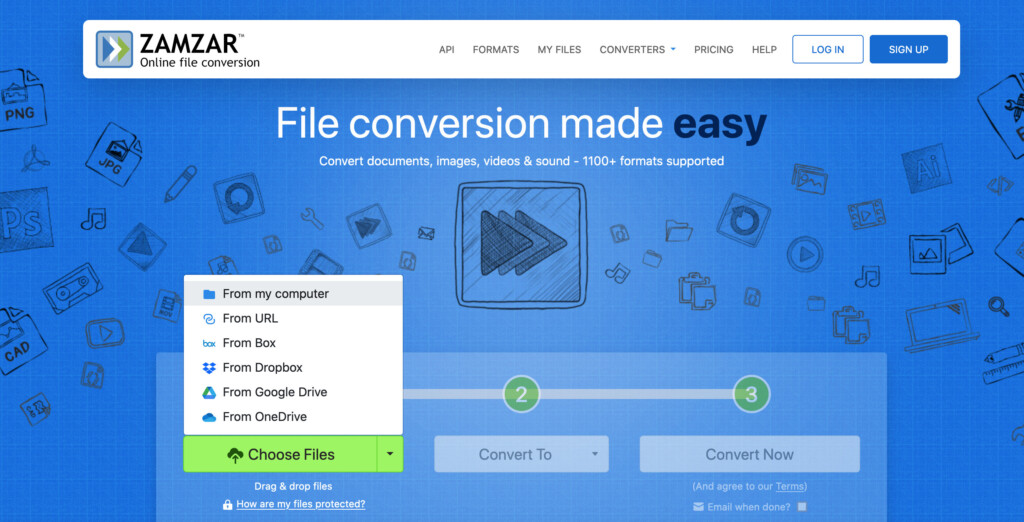
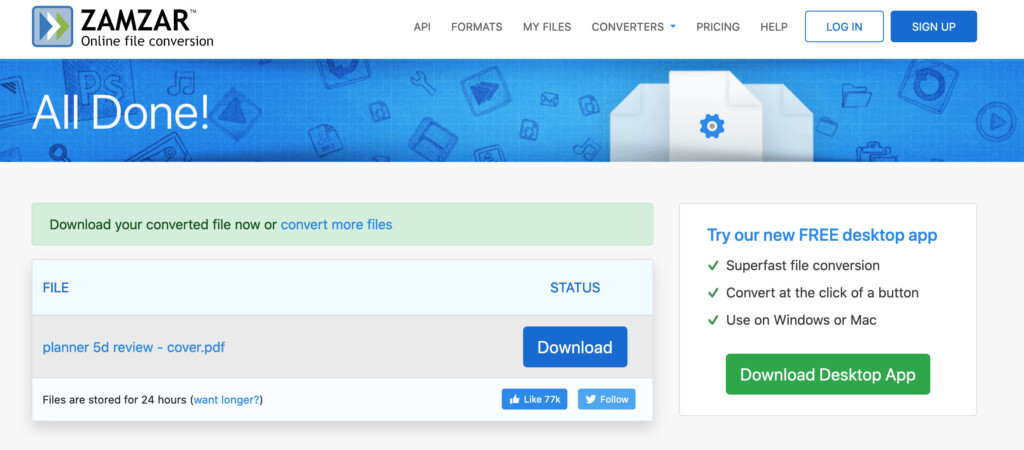
An online converter is convenient when you only need to view a .pub file and cannot use Publisher or LibreOffice. Zamzar’s PUB-to-PDF converter is one current option that lets you upload a Publisher file and download a PDF.
To convert a file:
- Go to the PUB-to-PDF converter.
- Upload the
.pubfile.
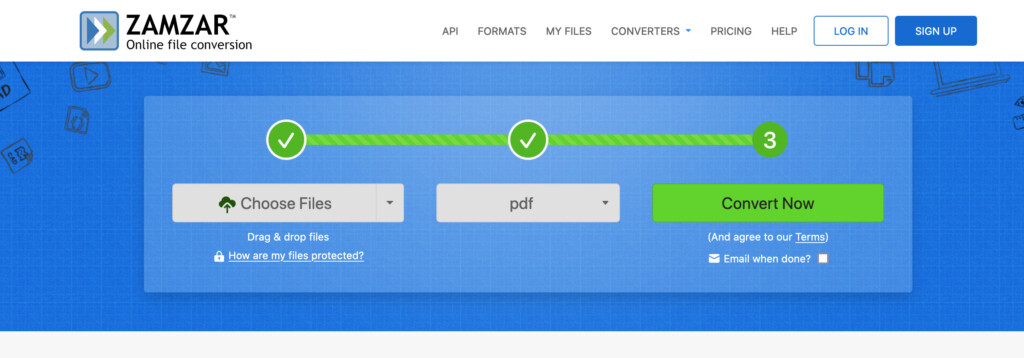
- Select PDF as the output format and start the conversion.
- Download the PDF and inspect every page before sharing or printing it.
Start with PDF, not Word. A PDF is much more likely to retain the original appearance. You can try converting to DOC or DOCX when the file is almost entirely text, but expect to fix the layout afterwards.
Do not upload confidential customer records, legal documents, employee data, school records or unpublished commercial material to an online converter unless you have checked its terms and are comfortable with the privacy implications. For those files, use Publisher on Windows or a trusted business conversion process instead.
Online converters can be useful for a one-off file, but they are not a migration solution. Check the converted file for missing fonts, cropped images, altered page breaks and text that has moved outside its box.
4. Open Publisher in Windows on your Mac (best for editable recovery)
If you genuinely need to edit the existing layout rather than just view it, opening the file in Microsoft Publisher on Windows remains the most reliable approach. You can use a Windows PC or run Windows in a virtual machine on your Mac.
This only makes sense if you already have a valid perpetual Publisher licence. After 1 October 2026, a Microsoft 365 subscription cannot be used to install or access Publisher, even in Windows. A perpetual copy can continue to run after its support ends, but it is a short-term recovery tool, not a future-proof workflow.
Once you have opened the file in Publisher, do more than save a PDF:
- Export a print-quality PDF.
- Save a copy of the original
.pubfile. - Gather the original logos, photos, fonts and source text into one folder.
- Export any simple text-heavy content to Word if it will be easier to reuse there.
- Rebuild documents that you update regularly in your chosen Mac app.
For the Windows setup choices, see our guide on how to run Microsoft Publisher on a Mac or watch the demo video above. Treat that route as a bridge for retrieving existing work, not the long-term answer to Publisher’s retirement.
5. Rebuild recurring documents in a Mac app
If a .pub file is used once a year for a newsletter, menu, price list, flyer, brochure, mailing label or event programme, it is usually quicker to rebuild it cleanly than to keep repairing conversions.
Choose the replacement based on the type of work you do:
- Swift Publisher: the closest Publisher-style Mac replacement for newsletters, labels, brochures, calendars and home or small-business print jobs.
- Pages or Canva: good for straightforward free documents, templates and collaborative work.
- Affinity or Adobe InDesign: better for professional multi-page layouts, print controls and demanding typography.
Our full guide to the best Microsoft Publisher alternatives for Mac compares these options in detail. This guide is deliberately focused on opening and recovering existing .pub files, so the two articles serve different search needs.
A sensible migration checklist
Before Publisher disappears from Microsoft 365, work through the files you actually reuse rather than trying to convert every old publication at once:
- Search your Windows PC, OneDrive and SharePoint for
.pubfiles. - Identify the files that are still live: recurring newsletters, menus, price lists, event material, labels and branded templates.
- Export each live file to a high-quality PDF and keep the
.pubsource file. - Collect the original photos, logos, fonts and copy in a folder with the PDF.
- Rebuild the recurring document in a Mac-friendly app before the next time you need it.
For a large Publisher archive, Microsoft also provides an example bulk PDF-export script for use on a Windows computer with a working licensed version of Publisher. Test a few documents manually before relying on any bulk conversion.
FAQ
Can I open a Publisher file in Microsoft Word on a Mac?
No. Word for Mac cannot open a .pub file directly. If the document is mainly text, you can convert it to PDF first and then open that PDF in Word, but Microsoft warns that the layout can change—especially in documents with lots of graphics.
Can I open .PUB files in Microsoft 365 for Mac?
No. Publisher has always been a Windows-only application. Word, PowerPoint and the other Microsoft 365 apps for Mac do not open .pub files directly.
Can Pages, Canva, Affinity or InDesign open Publisher files?
Not as a dependable, fully editable import. They are good replacements for creating future documents, but do not rely on them to preserve an existing Publisher layout. Export a PDF, keep the original assets and rebuild any document you need to edit again.
Is LibreOffice Draw a reliable way to edit Publisher files?
No. It can be useful for attempting an import of an older, simple file, but it is not reliable enough for complex layouts or important print work. Always keep the original .pub and compare the result page by page.
Can I still use Microsoft Publisher after October 2026?
Microsoft 365 subscribers cannot access Publisher after 1 October 2026. Microsoft says a perpetual version can still be installed and used after that date, but it will be unsupported after 13 October 2026. Use it to recover old work, then move that work to a supported format and application.
What is the best format to convert a Publisher file to?
Choose PDF when you need the document to look right for viewing, sharing or printing. Choose Word only for text-heavy files that you are willing to reformat. There is no universal editable replacement format for complex .pub layouts.
The bottom line
There is no perfect Mac app for opening and editing every Microsoft Publisher file. For a file you only need to see or print, get a PDF. For a simple, non-sensitive file, LibreOffice Draw or an online converter may be enough. For an important file that must remain editable, use Publisher on Windows while you still can, export the assets and rebuild it in a Mac-native alternative.
The priority in 2026 is not finding a permanent workaround for Publisher—it is making sure your important documents are no longer trapped inside .pub files.