

Adobe Premiere Elements remains one of the easiest video editors available for Mac users who want to create polished videos without the steep learning curve of professional editing software.
Unlike Adobe Premiere Pro, Premiere Elements is designed for beginners and hobbyists. It combines automatic AI-powered editing tools with enough manual controls to let you grow your editing skills over time.
The latest version continues Adobe’s move towards intelligent editing, making it easier to organize footage, remove distractions, create social media videos and produce professional-looking results in just a few clicks.
If you’re creating family videos, travel films, YouTube content or school projects, Premiere Elements offers an excellent balance between simplicity and creative control.
However, if you’re producing videos professionally or need advanced colour grading, multicam editing or sophisticated motion graphics, Premiere Pro or Final Cut Pro remain far better choices.
What Is Adobe Premiere Elements?
Adobe Premiere Elements is Adobe’s consumer video editor designed for users who want professional-looking videos without needing professional editing experience.
Rather than overwhelming users with hundreds of editing panels and complex projects, Premiere Elements focuses on automation and guided editing.
It’s particularly popular with:
- Home movie creators
- Parents editing family videos
- Travel vloggers
- Beginners starting YouTube channels
- Students
- Hobbyists
Unlike Premiere Pro, it doesn’t require a monthly subscription. Instead, you buy it outright and own that version permanently.
What’s New in Premiere Elements 2026?
Adobe has continued expanding its AI-powered editing tools, many of which are driven by Adobe Sensei.
Some of the most useful additions include:
Improved AI Video Editing
The software can automatically analyse clips and suggest edits, trim footage and improve composition with far less manual work than previous versions.
Better Object Selection
Selecting moving people or objects is now much easier, allowing you to apply effects or blur backgrounds without painstaking masking.
Enhanced Color Correction
Automatic colour balancing has become noticeably more accurate, helping footage from smartphones and action cameras look more consistent.
Smarter Audio Cleanup
Background noise reduction and voice enhancement tools have also improved, making dialogue clearer without needing specialist audio software.
New Templates
Adobe continues adding title templates, transitions, animated graphics and social media presets for Instagram, TikTok and YouTube.
User Interface & Ease of Use
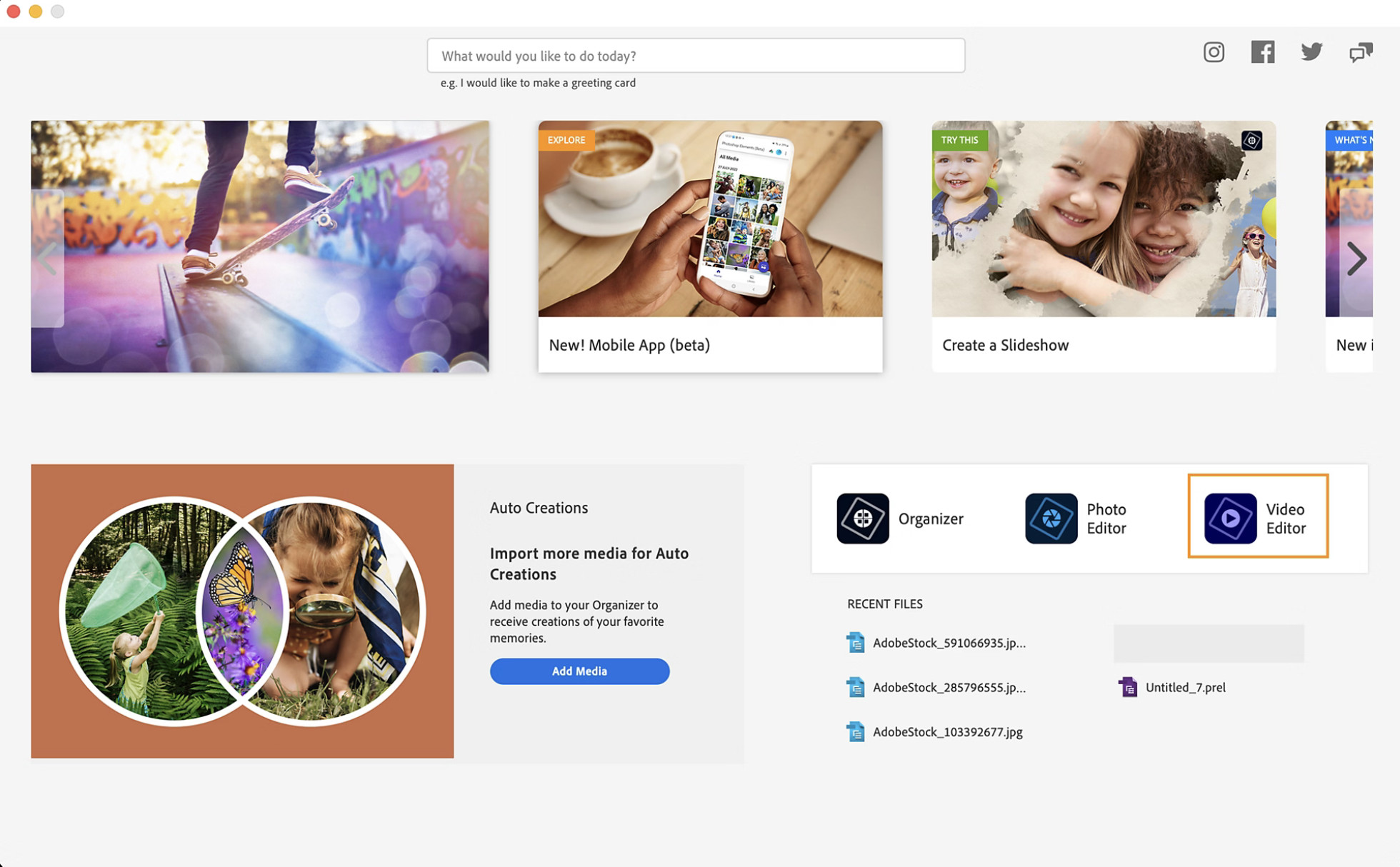
One of Premiere Elements’ biggest strengths remains its approachable interface.
When you first launch the software you’re presented with the Organizer, which keeps all your photos and videos in one place.
The Organizer can automatically categorise media by:
- People
- Locations
- Events
- Albums
- Keywords
AI-powered facial recognition also makes finding clips featuring specific people surprisingly quick.
Once you’ve created a project, you can choose from three editing modes.
Quick Edit
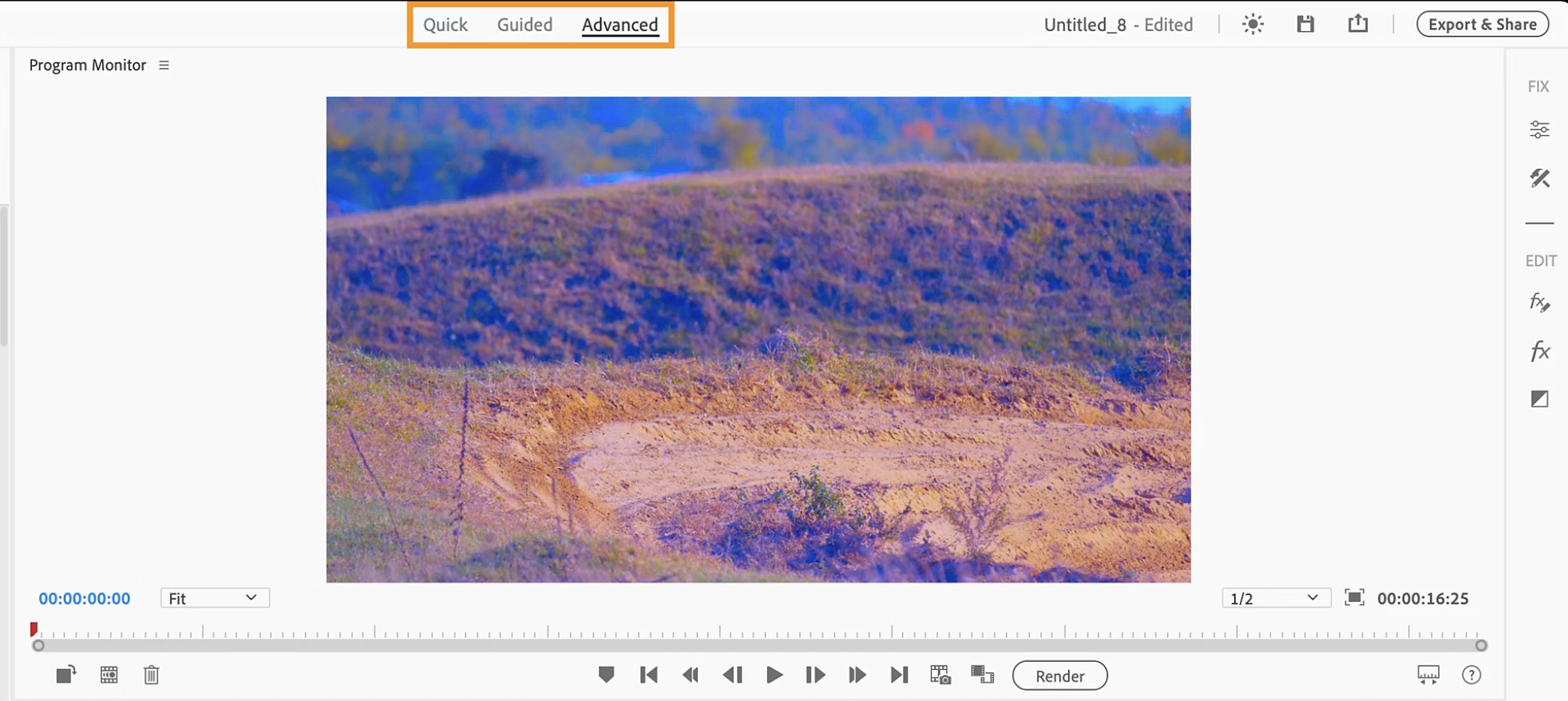
Quick Edit is aimed at complete beginners.
Many settings are handled automatically, allowing you to trim clips, add music, transitions and titles with minimal effort.
Guided Edit
Guided Edit remains one of Premiere Elements’ standout features.
Rather than simply providing templates, Adobe walks you through editing techniques step-by-step, teaching skills such as:
- Colour correction
- Slow motion
- Motion tracking
- Object removal
- Animated titles
- Highlight reels
It’s one of the best learning tools available in consumer video editing software.
Advanced Mode
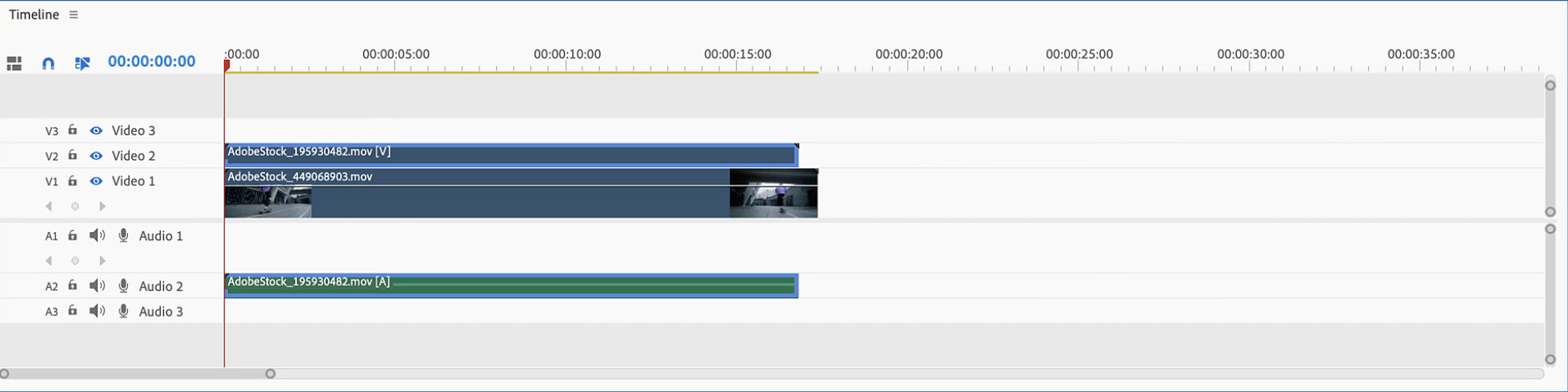
Advanced mode provides a more traditional timeline editor with multiple video and audio tracks, keyframes, effects and greater creative control.
Although it lacks many of Premiere Pro’s professional features, it’s more than capable of producing polished YouTube videos and family films.
AI Features
Adobe has invested heavily in AI over the past few years and Premiere Elements benefits from many of those improvements.
Highlights include:
- AI Smart Trim
- Auto Reframe
- Automatic Highlight Reels
- Motion Tracking
- Background removal
- Subject selection
- Noise reduction
- Intelligent colour adjustments
These tools dramatically reduce editing time, particularly for beginners.
Unlike generative AI tools found elsewhere in Adobe’s Creative Cloud apps, Premiere Elements focuses on practical automation rather than creating entirely new video content.
Editing Features
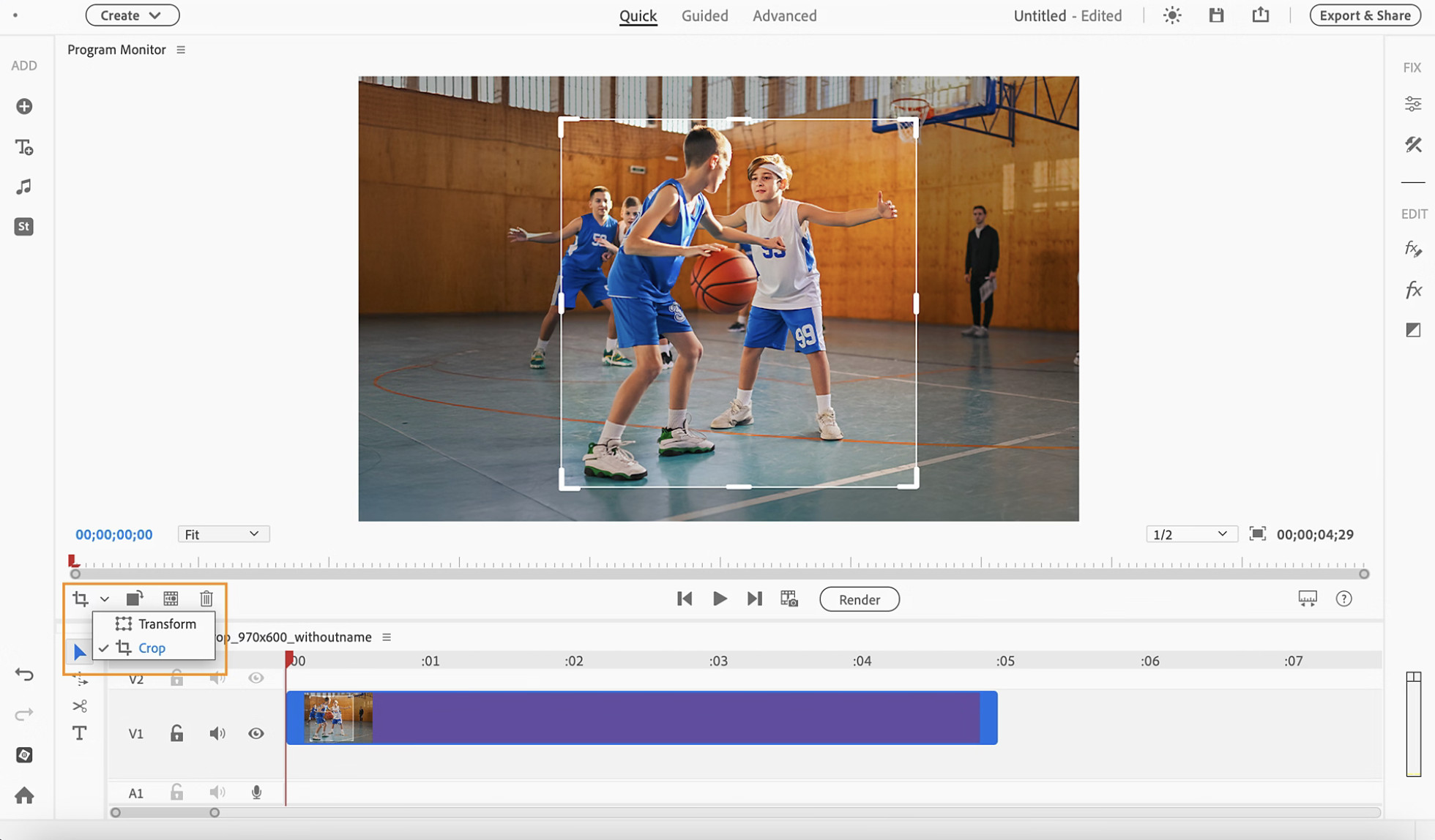
Despite being Adobe’s entry-level editor, Premiere Elements includes an impressive feature set.
You can:
- Edit 4K footage
- Work with multiple video tracks
- Add animated titles
- Apply transitions and effects
- Stabilise shaky footage
- Correct lens distortion
- Adjust colour and exposure
- Create slideshows
- Record voiceovers
- Add royalty-free music
- Export directly for YouTube and social media
For most home users, there’s very little missing.
Performance on Mac
One of the biggest improvements over earlier versions is performance on Apple Silicon Macs.
Older releases relied on Rosetta translation, but current versions run natively on Apple’s M-series processors, delivering much faster rendering, smoother playback and significantly improved export speeds.
During everyday editing, Premiere Elements feels responsive even when working with 4K footage, provided your Mac has at least 16GB of unified memory.
For the best experience we recommend:
- Apple M2, M3 or M4 processor (or later)
- 16GB RAM minimum
- 512GB SSD or larger
- External SSD for storing video projects
If you’re editing lengthy 4K videos, 24GB or more of unified memory provides noticeably smoother performance.
Can Adobe Premiere Elements Edit 4K and 8K Video?
Yes. Adobe Premiere Elements supports editing and exporting 4K Ultra HD video, making it a good choice for footage captured on modern iPhones, Android smartphones, GoPros and mirrorless cameras.
On an Apple Silicon Mac, 4K editing is generally smooth provided you have at least 16GB of unified memory and you’re working from a fast SSD. Basic tasks such as trimming clips, adding transitions, colour adjustments and titles are all handled comfortably on recent M-series Macs.
Although Premiere Elements can import some 8K footage, it isn’t really designed as an 8K editing platform. Large 8K projects can quickly become demanding on both memory and storage, and the software lacks the advanced tools and optimisation tools found in Premiere Pro.
If you regularly shoot in 8K or work on commercial productions, Adobe Premiere Pro or Final Cut Pro are much better suited to that type of work.
For most home users and YouTube creators, however, Premiere Elements provides more than enough performance for editing 1080p and 4K video.
Can You Edit YouTube Videos in Premiere Elements?
Absolutely. Premiere Elements includes everything most YouTubers need to produce polished videos without the complexity of professional editing software.
You can easily:
- Trim and rearrange clips
- Add animated titles and lower thirds
- Insert transitions and visual effects
- Record voiceovers
- Add background music
- Stabilise shaky footage
- Adjust colours and lighting
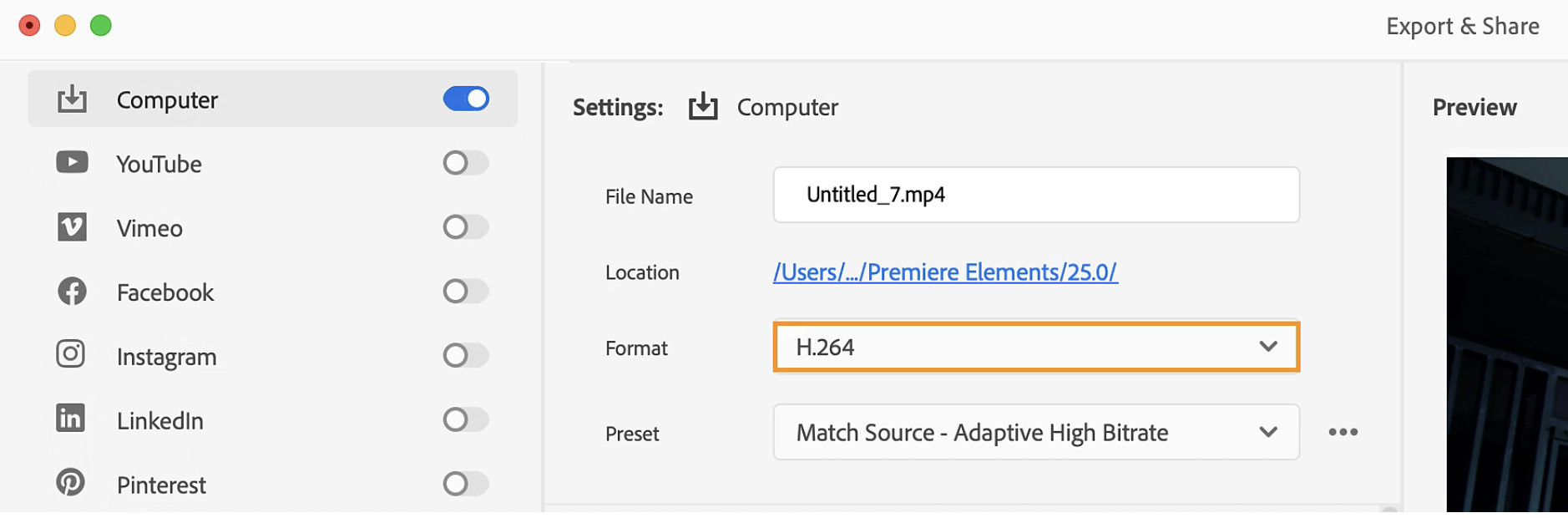
- Export in YouTube-friendly formats
The software also includes presets for exporting videos in resolutions suitable for YouTube, making the publishing process straightforward.
That said, larger YouTube channels may eventually outgrow Premiere Elements. Features such as multicam editing, advanced colour grading, motion graphics and collaborative projects are only available in Premiere Pro or Final Cut Pro.
For new creators, hobbyists and occasional uploaders, though, Premiere Elements strikes an excellent balance between ease of use and creative flexibility.
Pricing
Unlike Premiere Pro, Adobe Premiere Elements is still sold as a standalone application with a one-time purchase price of $99.99 rather than a recurring subscription.
You can also purchase it as part of a bundle with Photoshop Elements if you regularly edit both photos and videos.
For many casual users, this pricing model is a major advantage since there are no ongoing monthly fees.
Premiere Elements vs Premiere Pro
| Premiere Elements | Premiere Pro |
|---|---|
| Beginners | Professionals |
| One-time purchase | Subscription |
| Guided editing | Professional editing |
| AI automation | Advanced AI & professional tools |
| Basic colour grading | Professional colour grading |
| Limited motion graphics | Full motion graphics |
| Simple timeline | Unlimited professional editing features |
If your goal is to edit holiday videos, YouTube content or family memories, Premiere Elements is likely all you’ll ever need.
If you’re producing commercial videos or working with clients, Adobe Premiere Pro remains the better investment.
What’s Missing Compared With Premiere Pro?
Although Premiere Elements shares some of Premiere Pro’s technology, there are several professional features that aren’t included.
These include:
- Advanced colour grading with Lumetri Color
- Multicam editing
- Team collaboration tools
- Productions workflow
- Professional audio mixing
- Essential Graphics panel
- Motion Graphics Templates (MOGRTs)
- Advanced masking and tracking
- Proxy editing
- Extensive format support
- Integration with Adobe After Effects
- Integration with Adobe Audition
- Professional broadcast features
For most home users, these omissions won’t matter.
However, professionals editing feature-length productions, documentaries or commercial projects will quickly encounter the software’s limitations.
Premiere Elements is designed to simplify editing rather than replace Premiere Pro.
Premiere Elements vs iMovie
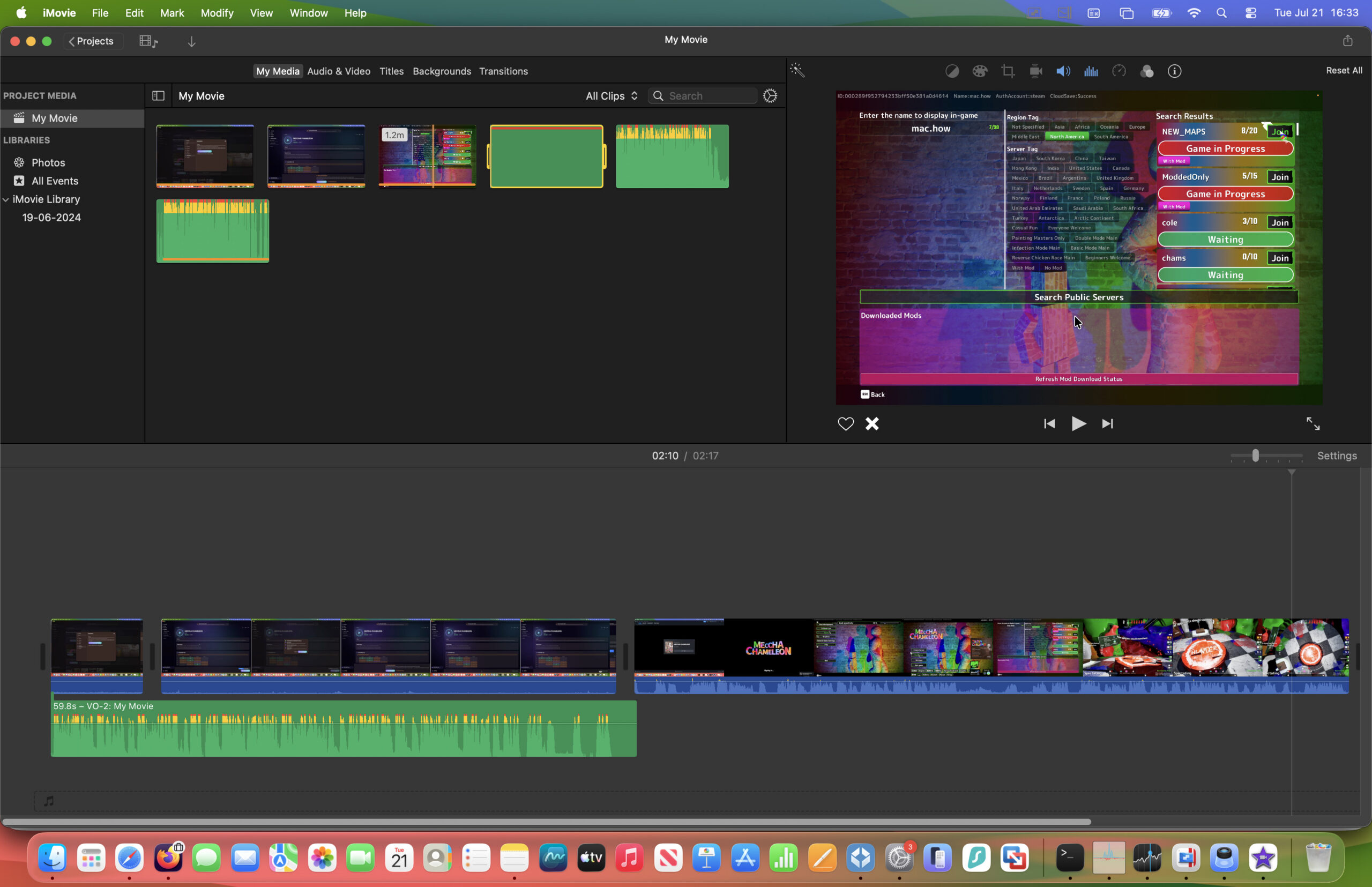
For Mac users, iMovie is the most obvious alternative to Premiere Elements.
iMovie has the advantage of being completely free and comes pre-installed on many Macs. Its interface is exceptionally simple, making it ideal for complete beginners.
However, Premiere Elements offers significantly more creative control.
Compared to iMovie, Premiere Elements includes:
- More transitions and effects
- Better title templates
- Guided Edits that teach editing techniques
- AI-powered editing tools
- More advanced colour adjustments
- Better media organisation
- Greater timeline flexibility
iMovie remains an excellent choice for quick edits and occasional family videos, but users who want room to grow without moving straight to professional software will usually find Premiere Elements worth the extra cost.
Winner: Premiere Elements for features and flexibility; iMovie for users who simply want a free editor.
Premiere Elements vs Filmora

Filmora has become one of Premiere Elements’ biggest competitors thanks to its modern interface and extensive library of effects.
Filmora excels in areas such as:
- Motion graphics
- Animated effects
- AI tools
- Social media templates
- Fast learning curve
Premiere Elements, on the other hand, feels slightly more polished and benefits from Adobe’s mature editing engine and excellent Guided Edit tutorials.
Filmora also relies primarily on a subscription model, whereas Premiere Elements can still be purchased outright with a one-time licence, making it a more economical choice for occasional editors.
If your priority is creating eye-catching YouTube videos packed with effects, Filmora has the edge. If you value stability, long-term ownership and a gentler learning experience, Premiere Elements is the better option.
Premiere Elements vs CapCut

CapCut has rapidly become one of the most popular video editors thanks to its free version and powerful AI features.
Its strengths include:
- Automatic captions
- AI-generated effects
- Social media templates
- Vertical video editing
- TikTok integration
Premiere Elements is aimed at a different audience.
Rather than focusing primarily on short-form social media content, it offers a more traditional desktop editing experience with better organisation, stronger project management and more precise editing controls.
CapCut is ideal for creators producing quick TikTok, Instagram Reels or YouTube Shorts, while Premiere Elements is better suited to longer-form videos, travel films, family projects and YouTube content that requires more careful editing.
If you’re looking for a replacement for iMovie, Premiere Elements is generally the more complete package.
Premiere Elements vs Final Cut Pro
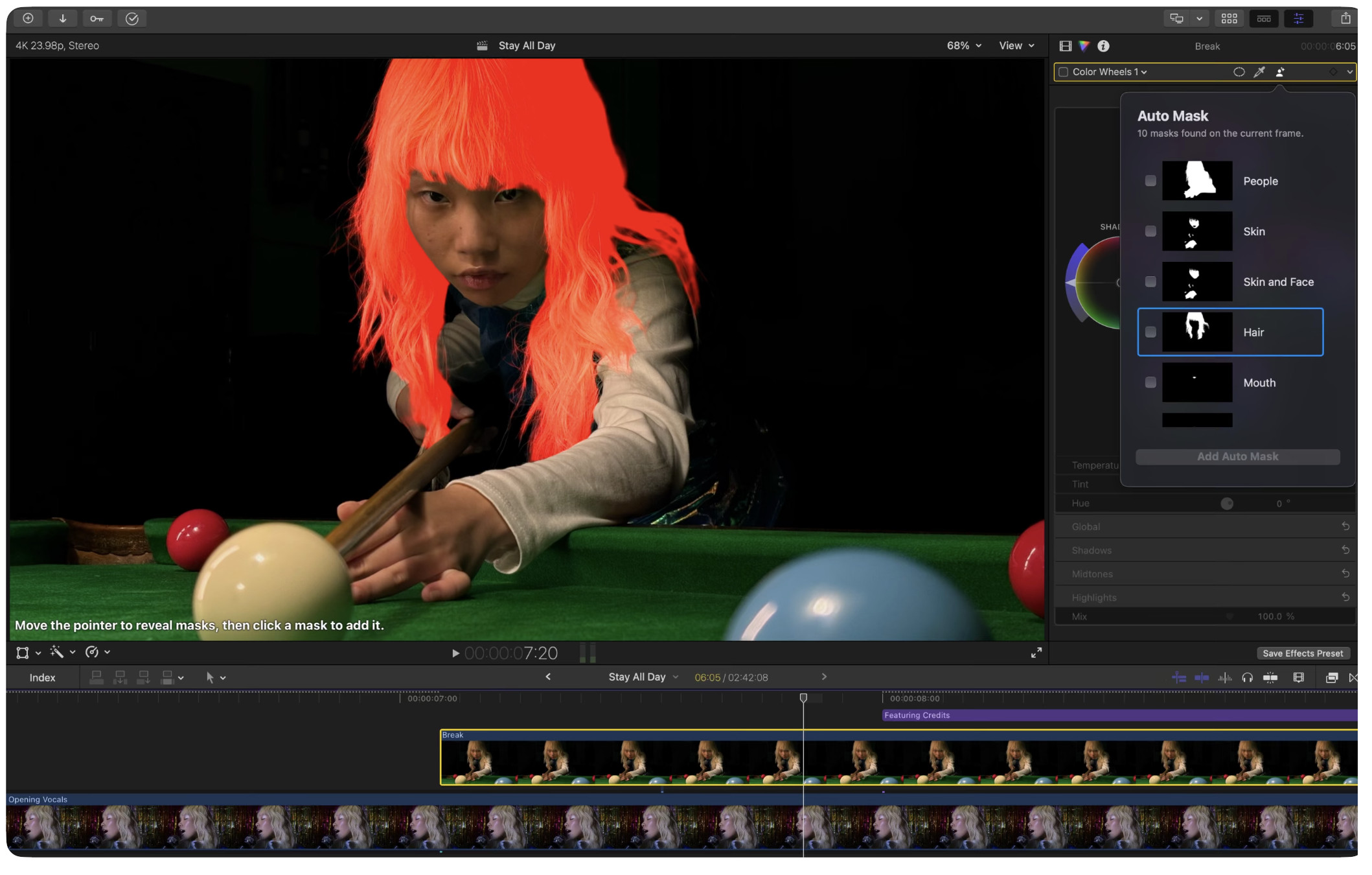
Final Cut Pro sits much closer to Premiere Pro than Premiere Elements.
Apple’s professional editor offers:
- Exceptional Apple Silicon performance
- Magnetic Timeline
- Professional colour grading
- Advanced audio editing
- Multicam editing
- 360° video support
- HDR support
- Massive third-party plugin ecosystem
Premiere Elements intentionally avoids much of this complexity.
Instead, it focuses on helping beginners produce attractive videos quickly through automation and Guided Edits.
The difference in learning curve is significant. Someone completely new to video editing can usually become productive in Premiere Elements within a few hours, whereas mastering Final Cut Pro takes considerably longer.
If you’re editing videos commercially or producing regular YouTube content, Final Cut Pro is likely the better long-term investment.
For occasional editing and home movies, Premiere Elements is considerably easier to learn.
Who Should Buy Premiere Elements in 2026?
Adobe Premiere Elements is best suited to people who want better results than iMovie can offer but don’t want the complexity or ongoing subscription cost of Premiere Pro.
It’s an excellent choice for:
- Beginners learning video editing
- Families preserving home videos
- Students working on video projects
- Hobbyist filmmakers
- Travel vloggers
- Casual YouTubers
- Anyone looking for a one-time purchase rather than a subscription
On the other hand, if you’re editing professionally, producing content for clients or need advanced features such as multicam editing, HDR grading or visual effects, you’ll be better served by Adobe Premiere Pro or Final Cut Pro.
For everyone else, Premiere Elements continues to occupy a sweet spot: it’s approachable enough for newcomers yet powerful enough to create polished, professional-looking videos with surprisingly little effort.
Is Adobe Premiere Elements Worth It?
For beginners, absolutely.
Its combination of AI-powered automation, Guided Edits and straightforward interface makes it one of the easiest ways to produce high-quality videos on a Mac.
While competitors like Filmora and CapCut have become increasingly capable, Premiere Elements still offers a more polished editing experience and benefits from Adobe’s long history of developing creative software.
The lack of a subscription also makes it attractive for users who only edit videos occasionally.