

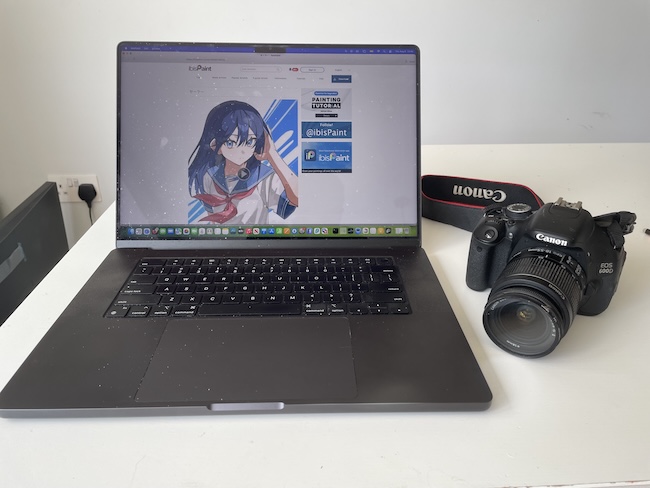
If you want a digital camera that works smoothly with a Mac, almost any recent model can transfer standard JPEG images and video. The differences become more important when you shoot RAW, connect the camera directly by USB-C, use tethered shooting or want it to double as a webcam.
We therefore looked beyond image quality and compared how well each camera fits into a Mac-based workflow using Apple Photos, Preview, Final Cut Pro, Lightroom, Capture One and the manufacturers’ own Mac software.
Our top pick for most Mac users is the Sony Alpha 7 V. It is an excellent full-frame hybrid camera, macOS 26 (Tahoe) supports its RAW files and its fast USB-C connection makes transferring photos or shooting directly to a Mac straightforward.
However, it is expensive and more camera than many people need. The Nikon Z50II is our favorite beginner option, while the Fujifilm X-T5 is an especially good choice for photographers who value high-resolution stills over video.
Important: This guide is about standalone cameras for photography and video rather than for using as a webcam. A mirrorless camera can produce a more professional webcam image, but it is a much more expensive and complicated solution for use as a webcam with Zoom, FaceTime or Teams
Best Digital Camera For Mac: Comparison Table
| Camera | Best For | Sensor | Maximum Video | Mac Connection | USB Webcam |
|---|---|---|---|---|---|
| Sony Alpha 7 V | Best overall | 33MP full frame | 4K/120p | 10Gbps USB-C, Wi-Fi, card reader | Yes |
| Nikon Z50II | Beginners | 20.9MP APS-C | 4K/60p | USB-C, Wi-Fi, SD card | Via Nikon software |
| Fujifilm X-T5 | Photography | 40.2MP APS-C | 6.2K/30p | 10Gbps USB-C, Wi-Fi, dual SD | Limited |
| Canon EOS R6 Mark III | Premium hybrid use | 32.5MP full frame | 7K RAW, 4K/120p | USB-C, Wi-Fi, dual card slots | Yes, up to 4K/60p |
| Sony ZV-E10 II | Vlogging and YouTube | 26MP APS-C | 4K/60p | 5Gbps USB-C, Wi-Fi, SD card | Yes, up to 4K/30p |
| Fujifilm X100VI | Compact everyday use | 40.2MP APS-C | 6.2K/30p | 10Gbps USB-C, Wi-Fi, SD card | Yes |
| Nikon Z6III | Professional video | 24.5MP full frame | 6K/60p RAW, 4K/120p | USB-C, Wi-Fi, SD/CFexpress | Via Nikon software |
| OM System OM-5 Mark II | Travel and outdoors | 20.4MP Micro Four Thirds | C4K/24p, 4K/30p | USB-C, Wi-Fi, SD card | No native UVC mode |
Prices vary considerably depending on the lens and retailer, so make sure you compare like with like. A low body-only price does not include a lens, whereas beginner-oriented listings often include a kit zoom.
What Makes a Camera Good for a Mac?
There is no special category of “Mac-compatible camera”. In most cases, you can remove the memory card and import its files regardless of which computer you use.
Nevertheless, the following features make some cameras much easier to use with a Mac than others.
macOS RAW Support
JPEG and HEIF images are widely compatible, but each manufacturer uses its own RAW format. Sony uses ARW, Canon uses CR3, Nikon uses NEF and Fujifilm uses RAF, for example.
Apple adds camera-specific RAW support to macOS. When a model is supported, you can view and edit its RAW files in Apple Photos, Preview and other apps that use Apple’s system-level RAW engine.
All eight cameras featured here appear on Apple’s current macOS 26 RAW compatibility list.
Adobe Lightroom, Capture One and other editors maintain their own camera-support databases, so they may support a model even when an older version of macOS does not.
Whichever application you use, update it before importing files from a newly released camera.
USB-C and Memory Cards
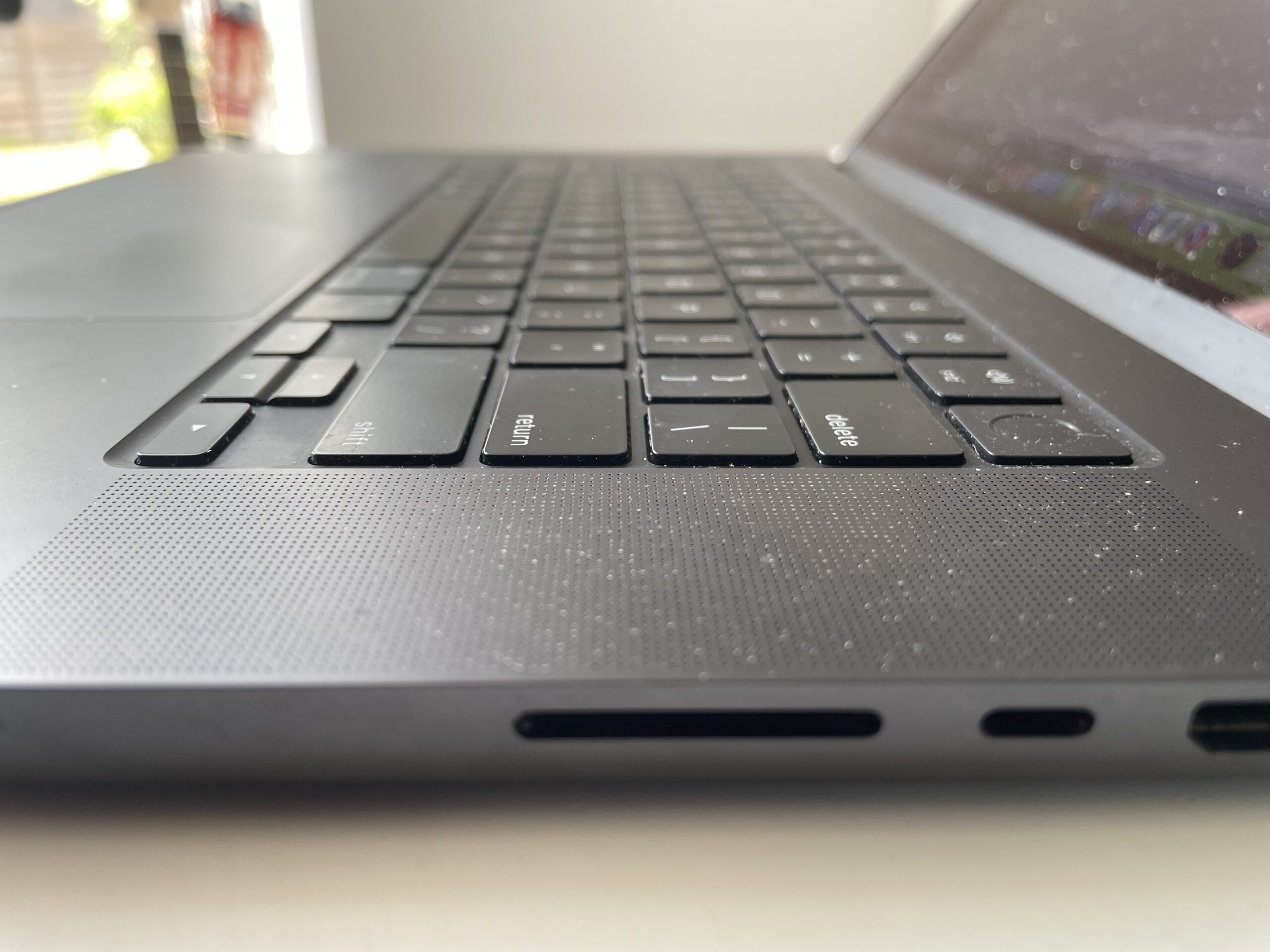
A modern USB-C port allows you to connect many cameras directly to a MacBook, iMac, Mac mini or Mac Studio.
However, USB-C describes the connector rather than its speed. Some entry-level cameras are limited to USB 2.0 transfer speeds even though the plug itself is USB-C.
For large batches of RAW photos or high-bitrate video, removing the SD or CFexpress card and using a fast card reader is often quicker. It also avoids draining the camera’s battery during the transfer.
Current MacBook Pro models include an SDXC card slot, but many other Macs require a USB-C card reader.
Tethered Shooting
Tethering connects the camera to your Mac while you shoot. This allows images to appear immediately on a larger display and, depending on the software, lets you control the camera remotely.
Sony offers Imaging Edge Desktop, Canon offers EOS Utility and Nikon provides NX Tether.
Fujifilm supports its own Tether App and compatible workflows in Lightroom Classic and Capture One on selected models.
Always check the software’s current macOS and camera compatibility before buying a camera specifically for tethering.
Webcam and Streaming Support
Some cameras support UVC/UAC, the same driver-free standards used by USB webcams. Others require manufacturer software, while some need an HDMI capture device.
We have included webcam support in the comparison because it is a useful bonus, but it is no longer the main reason for ranking a photography camera.
For regular video calls, a dedicated Mac webcam is cheaper, starts faster and is less likely to overheat or run out of power.
1. Sony Alpha 7 V – Best Digital Camera for Mac Overall
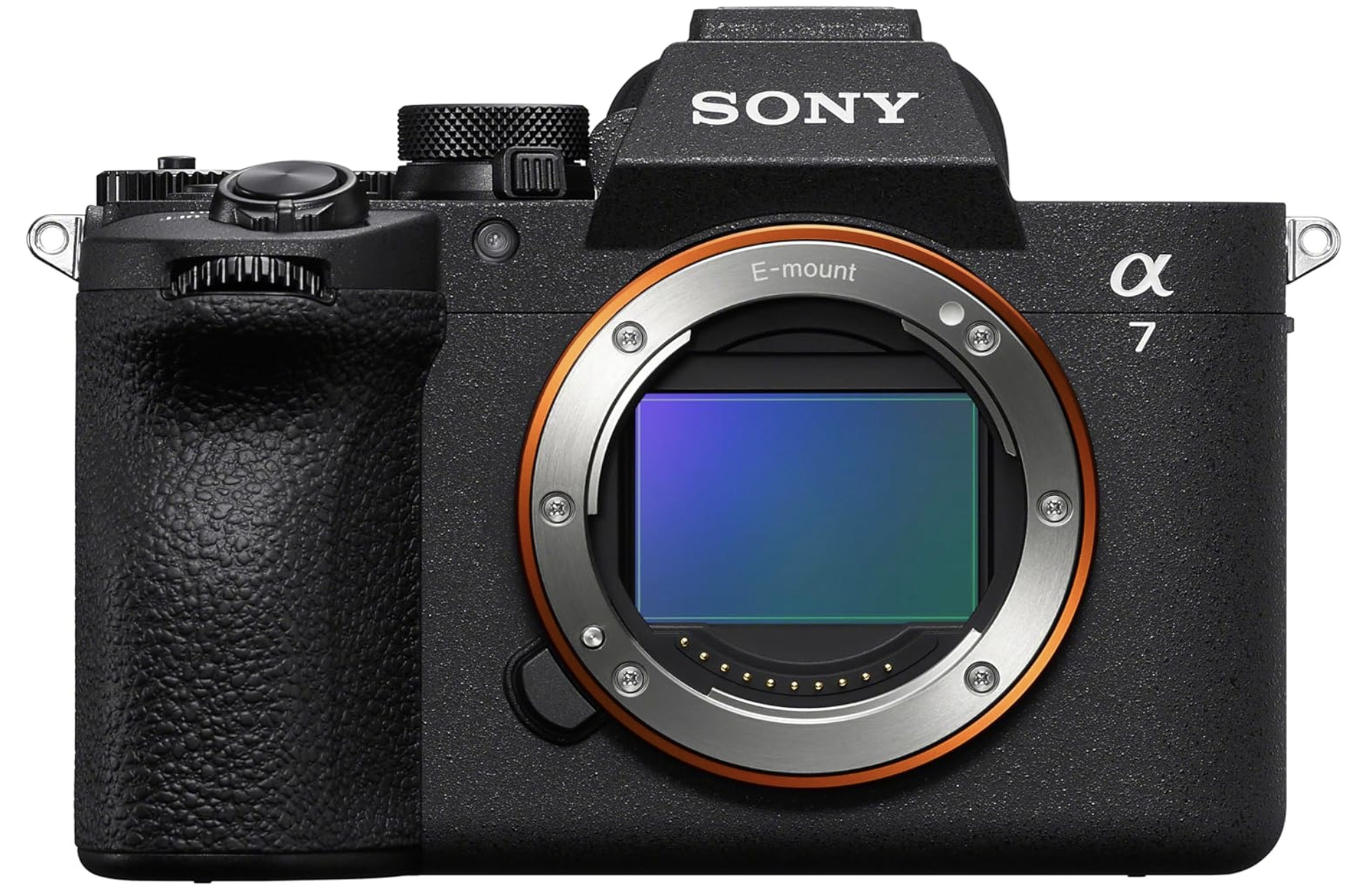
The Sony Alpha 7 V is our top choice if you want one high-end camera for both photography and video.
Its 33-megapixel full-frame sensor provides substantially more scope for low-light photography and shallow depth of field than the APS-C and Micro Four Thirds options featured here, without moving into specialist ultra-high-resolution territory.
Sony’s autofocus and subject-recognition technology make it particularly strong for family, event, wildlife and action photography.
In-body image stabilization also helps with handheld stills and video, while 4K recording at up to 120p provides plenty of flexibility for slow-motion footage.
The Mac workflow is excellent. Apple includes the Alpha 7 V on its macOS 26 RAW compatibility list and Sony’s Imaging Edge Desktop supports remote shooting.
The camera has two USB-C ports. The main 10Gbps port can be used for fast file transfers and PC remote operation, while USB Power Delivery helps during long tethered or streaming sessions.
There is also a huge choice of Sony E-mount and third-party lenses.
However, good full-frame lenses add considerably to the overall price and weight. If you mainly share photos online or are just learning photography, the Nikon Z50II will probably achieve everything you need for far less.
Pros:
- Excellent full-frame photo and video quality
- Fast 10Gbps USB-C connection
- Strong autofocus and in-body stabilization
- System-level RAW support in macOS 26
- Huge choice of E-mount lenses
Cons:
- Expensive once a good lens is added
- More complex than a beginner needs
2. Nikon Z50II – Best Camera for Mac Beginners

The Nikon Z50II is the camera we recommend to someone moving up from an iPhone or simple point-and-shoot camera for the first time.
Its 20.9-megapixel APS-C sensor, comfortable grip, electronic viewfinder and guided controls offer a good balance between accessibility and room to grow.
The autofocus system can recognize people, animals, birds and vehicles, and the camera is capable of recording 4K video.
It also uses Nikon’s Z lens mount, so you can start with a compact DX kit lens and add more capable lenses later.
For Mac users, its NEF RAW files have system-level support in macOS 26. You can import photos through its USB-C connection or SD card, manage images with Nikon NX Studio and use NX Tether for supported remote workflows.
Nikon Webcam Utility also allows the Z50II to appear as a webcam over USB.
The main compromise is the lack of in-body image stabilization. Stabilized kit lenses help, but the Fujifilm X-T5 is better suited to handheld shooting with unstabilized lenses.
The Z50II’s USB connection is not among the fastest featured here either, although using a card reader solves that problem.
Pros:
- Easy to use without being overly basic
- Good subject-detection autofocus
- Compact and relatively affordable
- macOS RAW and Nikon Mac software support
- Can work as a USB webcam
Cons:
- No in-body image stabilization
- Lower resolution than the Fujifilm X-T5
3. Fujifilm X-T5 – Best for Photography
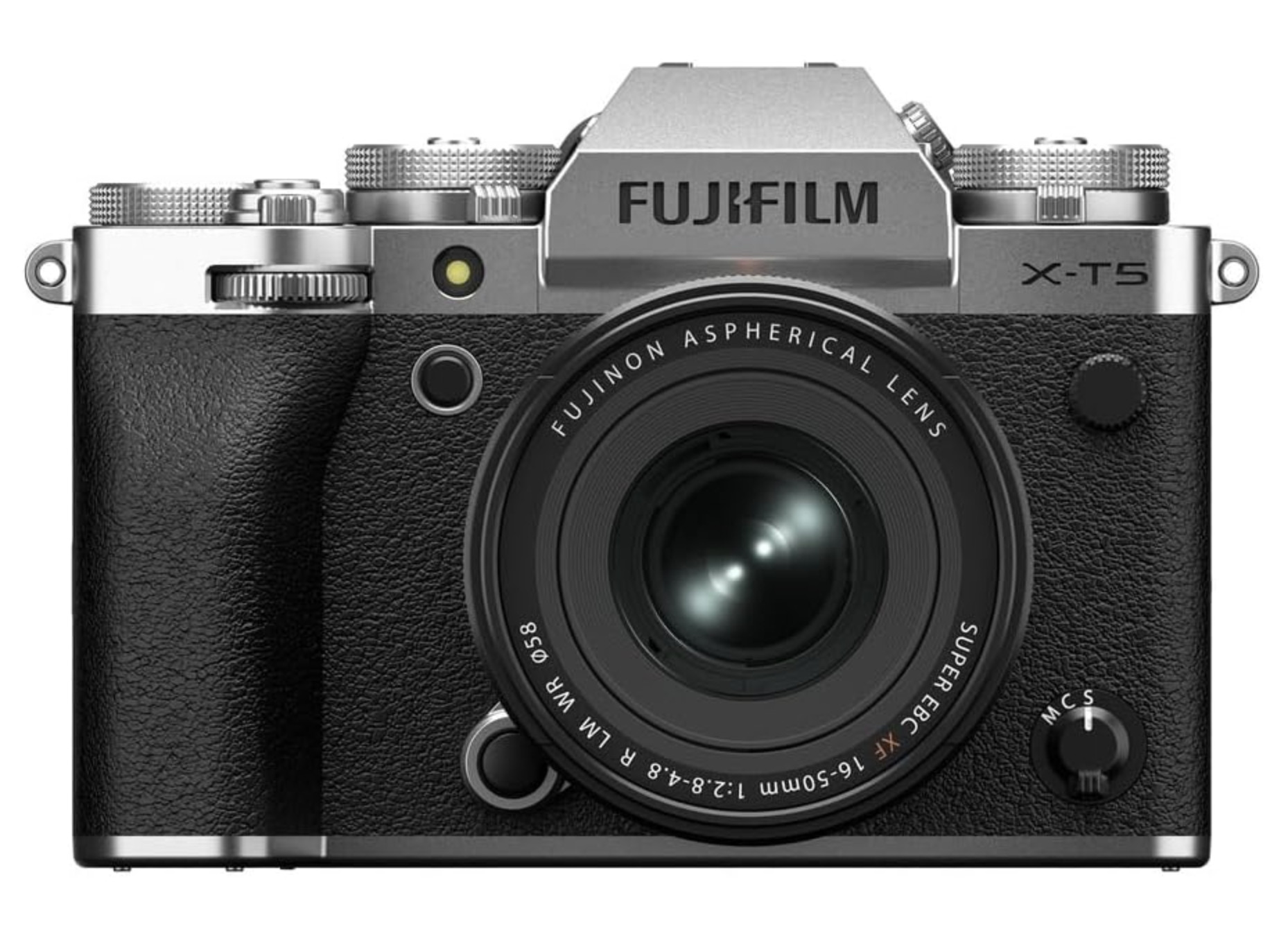
The Fujifilm X-T5 is our favorite option for Mac users whose priority is still photography.
Its 40.2-megapixel APS-C sensor captures enough detail for heavy cropping and large prints, while its physical dials make shutter speed, ISO and exposure compensation immediately accessible.
It also features five-axis in-body image stabilization and two UHS-II SD card slots.
The latter are especially useful for backing up important shoots in-camera or separating RAW and JPEG files before importing them onto a Mac.
Fujifilm’s Film Simulation modes produce attractive JPEGs that often require very little editing.
When you do want to edit, macOS 26 supports the X-T5’s RAF RAW files. Its 10Gbps USB-C connection is one of the fastest in this roundup.
Fujifilm also lists the X-T5 as compatible with its Tether App, X Acquire, X RAW Studio and tethered workflows in Lightroom Classic and Capture One.
The X-T5 records highly detailed 6.2K video, but its tilting screen is designed more for photographers than people filming themselves.
For vlogging, choose the Sony ZV-E10 II. If you want a fixed-lens Fujifilm you can carry almost anywhere, consider the X100VI.
Pros:
- Detailed 40.2MP stills
- Excellent in-body image stabilization
- Fast 10Gbps USB-C and dual SD slots
- Attractive Film Simulation modes
- Strong choice of Mac tethering and RAW tools
Cons:
- Autofocus is not as dependable as Sony’s latest system
- Screen does not face forward for vlogging
4. Canon EOS R6 Mark III – Best Premium Hybrid Camera

The Canon EOS R6 Mark III is a powerful alternative to the Sony Alpha 7 V for anyone who prefers Canon’s controls, colours or RF lens system.
Its 32.5-megapixel full-frame sensor is well suited to portraits, events, wildlife and commercial work, while its video tools extend to 7K RAW and high-frame-rate 4K recording.
It is particularly convenient with a Mac because Canon supports direct UVC/UAC video over USB.
This means it can be selected as a camera and microphone in compatible calling or streaming software without requiring a capture card. The R6 Mark III supports USB video at resolutions up to 4K/60p.
Canon’s EOS Utility also supports remote control, image transfer and tethered shooting over USB or Wi-Fi.
Apple has added the EOS R6 Mark III to macOS 26’s RAW compatibility list, and the camera provides dual card slots for professional backup. The body is weather resistant and includes in-body stabilization.
This is an expensive choice, especially when paired with Canon’s premium RF lenses.
The compact Canon EOS R50 is considerably cheaper, but we prefer the Nikon Z50II as the better all-round beginner recommendation.
If you already own compatible Canon EF lenses, an EF-to-RF adapter may make the R6 Mark III considerably more attractive.
Pros:
- Excellent 32.5MP full-frame hybrid camera
- 7K RAW and high-frame-rate 4K video
- Driver-free UVC/UAC streaming over USB
- EOS Utility for Mac tethering and transfers
- Dual card slots and in-body stabilization
Cons:
- High body and lens cost
- Overkill if you only need everyday photos
5. Sony ZV-E10 II – Best for Vlogging and YouTube
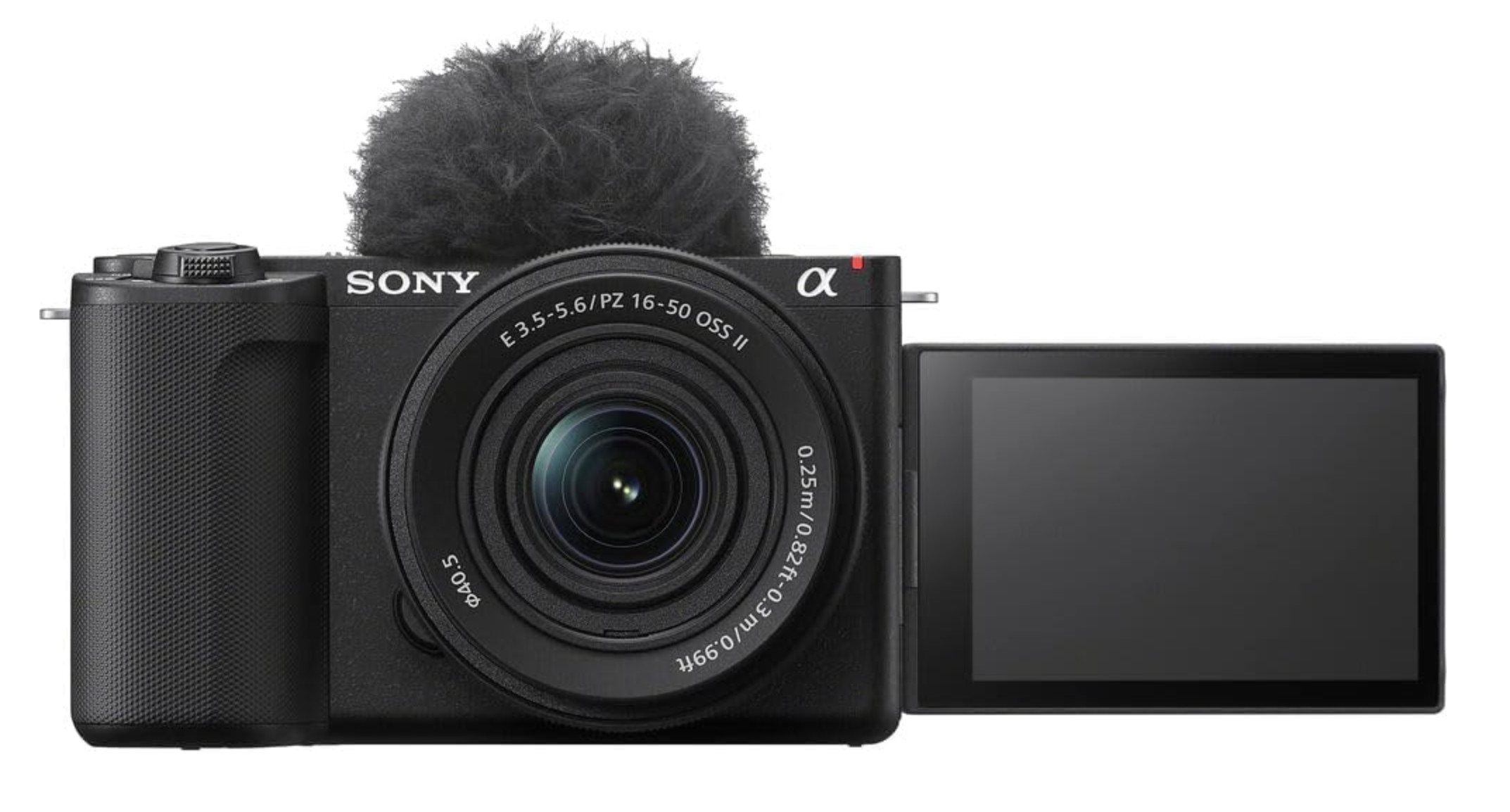
The Sony ZV-E10 II is designed for creators who shoot themselves more often than they look through a viewfinder.
It combines a 26-megapixel APS-C sensor with a fully articulating screen, reliable subject tracking, microphone and headphone sockets and 4K video recording at up to 60p.
It connects neatly to a Mac through its 5Gbps USB-C port.
In USB streaming mode, it can deliver video and audio without a capture card, including 4K at up to 30p or Full HD at up to 60p.
USB Power Delivery can also keep the camera running during longer streams, although an appropriate power supply and cable are required.
The ZV-E10 II takes interchangeable lenses and shoots still photos too. Its ARW files are supported by macOS 26, making it far more flexible than either a webcam or a fixed-lens compact camera.
Sony’s broad E-mount lens selection also makes it easy to add an ultra-wide vlogging lens later.
There is no electronic viewfinder or mechanical in-body stabilization, however. Active electronic stabilization crops the image, so handheld walking footage benefits from a wide lens or gimbal.
Photographers should choose the Nikon Z50II or Fujifilm X-T5 instead.
Pros:
- Excellent autofocus and creator-focused controls
- 4K/60p recording
- 5Gbps USB-C transfer and plug-and-play streaming
- Fully articulating screen
- Microphone and headphone connections
Cons:
- No viewfinder
- No in-body image stabilization
6. Fujifilm X100VI – Best Compact Camera for Mac
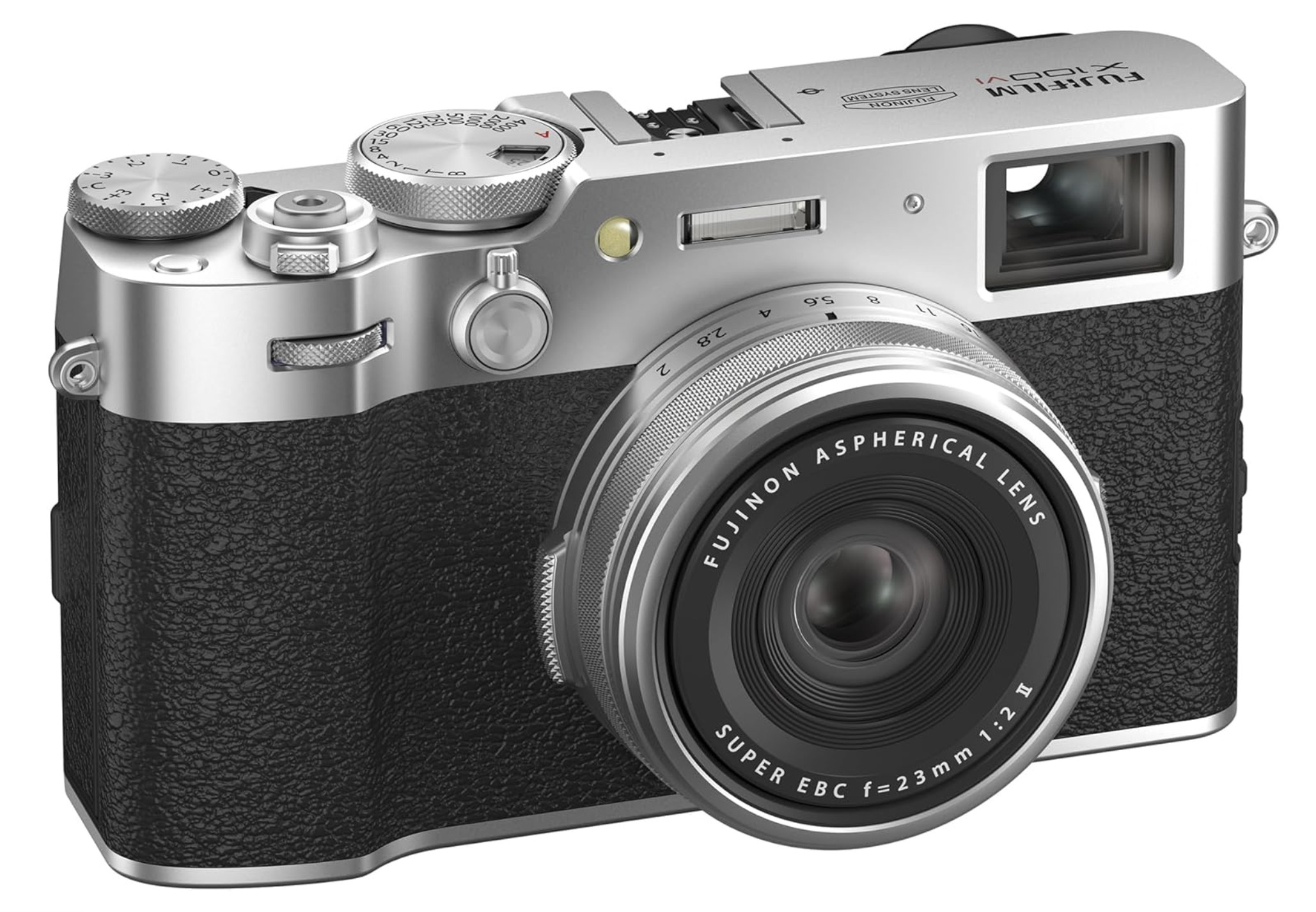
The Fujifilm X100VI is the best option here if you want premium image quality without carrying interchangeable lenses.
It pairs the same 40.2-megapixel APS-C resolution found in the X-T5 with a fixed 23mm f/2 lens, equivalent to approximately 35mm on a full-frame camera.
That makes it ideal for travel, street photography and everyday family use.
The hybrid optical and electronic viewfinder, physical controls and Fujifilm Film Simulations make it more engaging than a phone, while in-body stabilization is a major improvement over the older X100V mentioned in the previous version of this article.
Its Mac credentials are strong. macOS 26 supports its RAF files and the 10Gbps USB-C port offers quick wired transfers. You can also use it as a USB webcam and charge it over USB-C.
The fixed lens is both its main appeal and its biggest limitation. It does not zoom and cannot be changed.
High demand can also make the X100VI difficult to find at its normal retail price. We would not recommend paying an inflated reseller price merely because it is fashionable.
The X-T5 is more versatile and can be better value once X100VI reseller premiums are taken into account.
Pros:
- Superb image quality in a compact body
- In-body image stabilization
- Fast 10Gbps USB-C connection
- Excellent Film Simulations and controls
- macOS 26 RAW support
Cons:
- Fixed lens with no optical zoom
- Availability and inflated reseller prices
7. Nikon Z6III – Best for Professional Video on a Mac
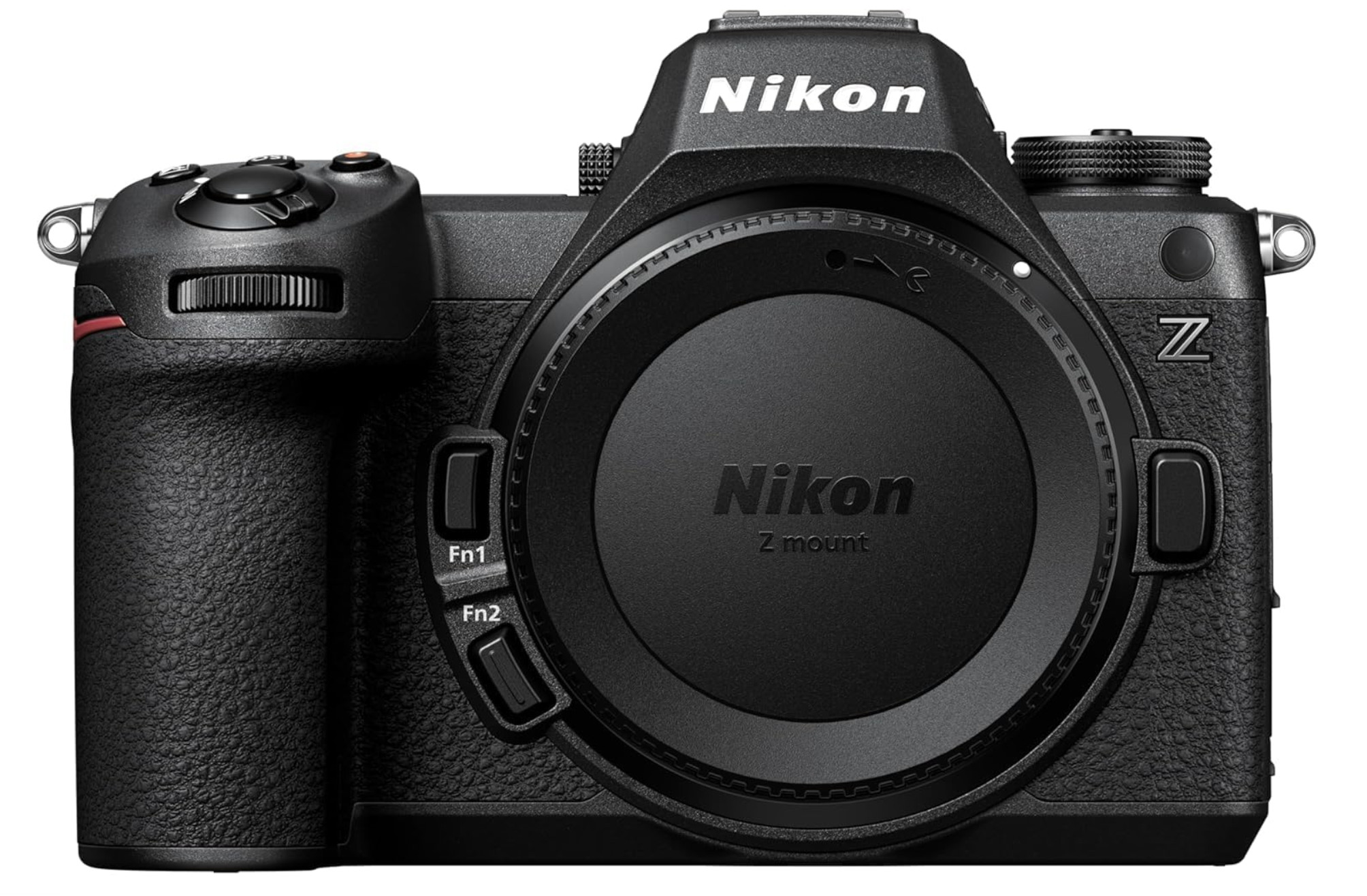
The Nikon Z6III is our pick for filmmakers who plan to edit primarily on a Mac.
It can record 6K/60p N-RAW internally, ProRes RAW at up to 6K/30p, ProRes 422 HQ and 4K at up to 120p.
This unusually broad choice of professional formats fits particularly well with Final Cut Pro and other high-end Mac video workflows.
Its 24.5-megapixel partially stacked full-frame sensor prioritizes speed and readout performance rather than headline resolution.
Five-axis stabilization, strong subject tracking, headphone and microphone connections and a bright electronic viewfinder also make it a highly capable production camera.
For still photography, Apple supports its NEF files in macOS 26.
Nikon’s free NX Tether software can transfer RAW, JPEG and video files to a Mac during tethered shooting, while Nikon Webcam Utility provides a simpler USB streaming option.
The mixed CFexpress Type B/XQD and SD card arrangement provides plenty of flexibility, but high-end video generates enormous files.
You may therefore need expensive fast cards as well as plenty of external storage for your Mac.
Users who primarily take stills can save money with the Nikon Z5II or gain more resolution with the Fujifilm X-T5.
Pros:
- 6K internal RAW and 4K/120p video
- ProRes formats suit Mac editing workflows
- Fast partially stacked full-frame sensor
- Excellent in-body image stabilization
- NX Tether and macOS RAW support
Cons:
- Fast cards and storage add to the cost
- 24.5MP is modest for resolution-focused stills work
8. OM System OM-5 Mark II – Best for Travel and Outdoors
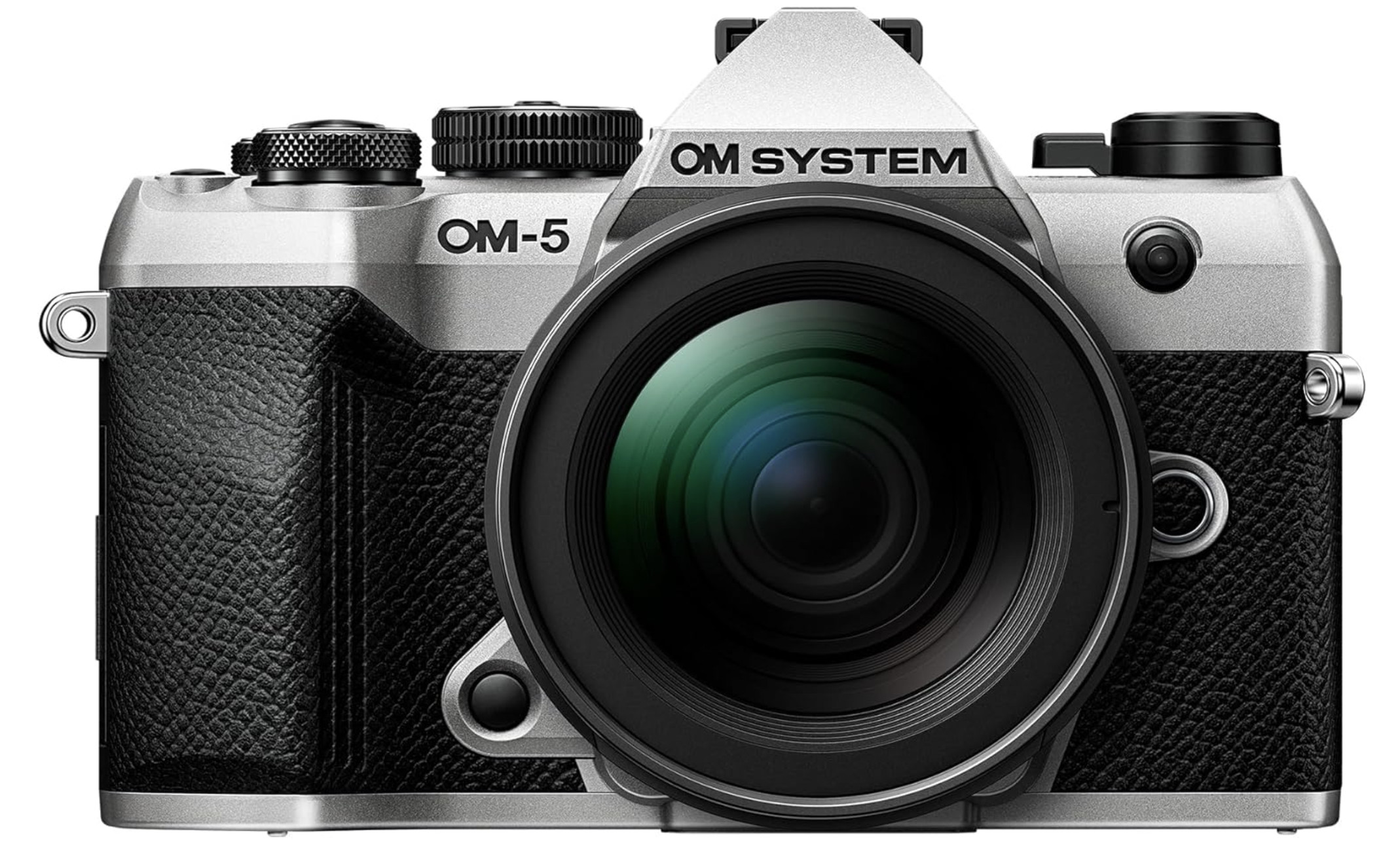
The OM System OM-5 Mark II is the smallest and lightest interchangeable-lens option in our list.
The body weighs approximately 418g with its battery and memory card, yet it has IP53-rated weather sealing, can operate in freezing conditions and provides up to 7.5 stops of five-axis stabilization with compatible lenses.
Its Micro Four Thirds sensor is smaller than APS-C and full frame, but the system’s compact lenses make a meaningful difference when hiking or travelling.
Computational features such as Handheld High Res Shot, Live ND and focus stacking can also reduce the need to carry extra equipment.
The revised model finally uses USB-C for charging and file transfers.
Its standard 20.4MP RAW files have system-level macOS 26 support, although Apple excludes RAW files produced using its High Res Shot mode.
A fast SD card reader remains preferable for importing large batches because the camera’s USB connection is limited to USB 2.0 speeds.
It is less suitable as a Mac webcam than the Sony and Canon models and is not our first choice for low-light action photography.
Its real strengths are portability, weather resistance and exceptionally effective stabilization.
Pros:
- Very light and compact system
- IP53 weather sealing
- Excellent five-axis stabilization
- USB-C charging and transfers
- Useful computational photography modes
Cons:
- USB transfers are limited to USB 2.0 speeds
- Smaller sensor is less capable in demanding low light
How to Transfer Photos From a Camera to a Mac
There are three straightforward ways to transfer photos and videos from a digital camera to your Mac.
1. Insert the Memory Card
Turn off the camera, remove its SD card and insert it into your Mac or a USB-C card reader.
Open Photos and select the card under Devices, use Image Capture for more control over the destination, or copy the files manually using Finder.
This is usually the fastest and most reliable option, particularly for RAW images and large video files.
2. Connect the Camera by USB-C
Connect the camera using a data-capable USB cable, switch it on and select its transfer or mass-storage mode if prompted.
It should then appear in Photos, Image Capture or the manufacturer’s compatible Mac software.
Not all USB-C cables carry data. Some inexpensive charging cables only provide power.
Connecting the camera directly to the Mac rather than through a USB hub can also solve detection problems.
3. Use Wireless Transfer
Most current cameras use their Wi-Fi and Bluetooth features primarily with an iPhone or Android app.
Some also support direct computer transfers or wireless tethering through manufacturer software, but setup and transfer speeds vary considerably.
For a few occasional JPEGs, sending them to an iPhone and allowing iCloud Photos to sync them to your Mac is convenient.
For hundreds of RAW files or long videos, use a cable or card reader instead.
Do You Need a Special Camera for Apple Photos?
No. Apple Photos can import common JPEG, HEIF and video formats from almost any current digital camera.
The model-specific issue is RAW support.
Apple’s RAW compatibility is tied to the version of macOS rather than your Mac’s processor.
If a new camera’s RAW files do not open, update macOS first. Alternatively, check whether Lightroom, Capture One or the manufacturer’s RAW converter supports it.
You can also convert the images into Adobe’s more widely supported DNG format.
Apple Photos can store both the RAW and JPEG versions captured by a camera.
If iCloud Photos and Optimize Mac Storage are enabled, the original RAW file may remain in iCloud until it is needed for editing.
Mirrorless vs DSLR: Which Should You Buy in 2026?
For a new purchase, we recommend choosing a mirrorless camera.
Canon, Nikon and Sony now concentrate their development and latest lenses on mirrorless systems. Every main recommendation in this guide is therefore mirrorless.
A DSLR such as the Nikon D850 can still produce exceptional photographs and may be a sensible second-hand purchase, especially if you already own compatible lenses.
However, it is no longer the right number-one recommendation for a general 2026 buying guide.
Mirrorless cameras generally offer better subject-detection autofocus, more capable video recording, live exposure previews and easier USB streaming in smaller bodies.
Before switching systems, remember to include lenses in your budget.
Adapters can preserve access to many Canon EF and Nikon F lenses, but compatibility and autofocus performance vary depending on the lens and adapter.
Which Digital Camera Is Best for You?
Our recommendations are straightforward:
- Best overall: Sony Alpha 7 V
- Best for beginners: Nikon Z50II
- Best for photography: Fujifilm X-T5
- Best premium hybrid: Canon EOS R6 Mark III
- Best for vlogging: Sony ZV-E10 II
- Best compact: Fujifilm X100VI
- Best for professional video: Nikon Z6III
- Best for travel: OM System OM-5 Mark II
The Sony Alpha 7 V is the strongest all-rounder, but it is not automatically the best buy for everyone.
Beginners will get better value from the Nikon Z50II, photographers may prefer the Fujifilm X-T5’s high-resolution sensor and physical controls, and video creators should look first at the Sony ZV-E10 II or Nikon Z6III.
Whichever camera you choose, verify that the exact lens or kit is included in the advertised price.
The lens often has a greater effect on your results than small differences between modern camera bodies.
FAQ
Can Any Digital Camera Connect to a Mac?
Almost any digital camera can transfer JPEG photos to a Mac using a memory card or USB connection.
RAW editing, tethered shooting and webcam features depend on the exact camera model, software and macOS version.
Can I Connect a Camera Directly to a Mac With USB-C?
Yes, if the camera has a USB-C port and you use a data-capable cable.
You may need to select a transfer, mass-storage, MTP or PC Remote mode in the camera’s settings.
Remember that USB-C cameras do not all transfer data at the same speed.
What Is the Best Affordable Camera for a Mac?
The Nikon Z50II is our best-value recommendation for beginners because it combines good autofocus, an electronic viewfinder, 4K video, Mac-compatible RAW files and USB webcam support.
Compare kit prices carefully because a body-only listing does not include a lens.
What Is the Best Compact Camera for a Mac?
The Fujifilm X100VI is our premium compact choice.
It has a large 40.2MP APS-C sensor, a fixed 35mm-equivalent lens, in-body stabilization and fast USB-C transfers.
However, the fixed lens, high price and limited availability mean it is not the best choice for everyone.
Can I Use a Mirrorless Camera as a Mac Webcam?
Yes, but the method varies.
Cameras with UVC/UAC support work like driver-free webcams over USB. Others require manufacturer software, while some need an HDMI capture device.
For long sessions, you may also need USB power or a dummy battery.
Does Apple Photos Edit RAW Camera Files?
Yes. Apple Photos can import and edit RAW files from cameras supported by your version of macOS.
Apple updates its compatibility list as new cameras are released. Third-party editors such as Lightroom and Capture One use their own RAW support lists.
Is USB-C Faster Than Using an SD Card Reader?
Not necessarily.
Some cameras have a USB-C connector but only support USB 2.0 transfer speeds. A UHS-II SD card reader may be significantly faster.
Check the camera’s USB specification rather than judging its speed by the connector alone.