

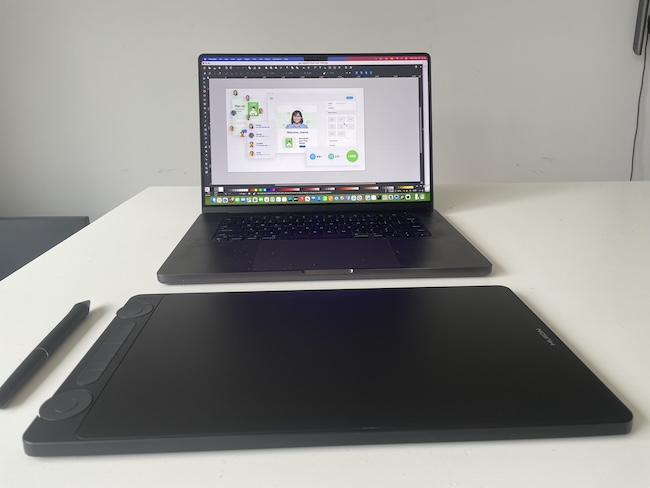
A good drawing tablet can make illustration, retouching, photo editing and 3D work on a Mac feel far more natural than using a mouse or trackpad. The right one lets you vary a stroke with pressure and tilt, work more precisely and keep frequently used tools within reach.
The important choice is not simply which tablet has the biggest pressure-sensitivity number. First decide whether you want a pen tablet without a screen, a pen display that you draw directly on, or an iPad that can also work independently of your Mac.
For most people who want to create in Mac apps such as Photoshop, Illustrator, Affinity, Clip Studio Paint, Krita or Blender, the Wacom Intuos Pro remains the best all-round drawing tablet for Mac. It has no screen, but its excellent pen, physical controls and reliable desktop workflow make it the best long-term choice for many artists.
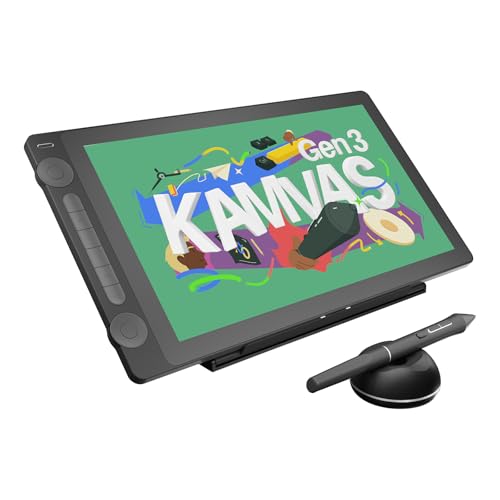
If you specifically want to draw directly on a display, the Huion Kamvas 16 (Gen 3) is our best-value screen tablet. The Apple iPad Pro is the best choice if you also want a standalone iPad for Procreate and other iPad apps.
We have focused on tablets that can genuinely be used with a Mac. Standalone Android drawing tablets, such as the Huion Kamvas Slate range and Ugee UT3, can be good portable sketching devices, but they are not a like-for-like replacement for a Mac pen display such as a Cintiq or Kamvas.
Quick Summary: The Best Drawing Tablets for Mac
- Best overall pen tablet: Wacom Intuos Pro — the best no-screen tablet for serious Mac-based creative work.
- Best value tablet with a screen: Huion Kamvas 16 (Gen 3) — a sharp 15.8-inch 2.5K display, excellent pen and useful shortcut controls.
- Best premium Wacom pen display: Wacom Cintiq 16 (2025) — the modern replacement for the old Cintiq 22 in this guide.
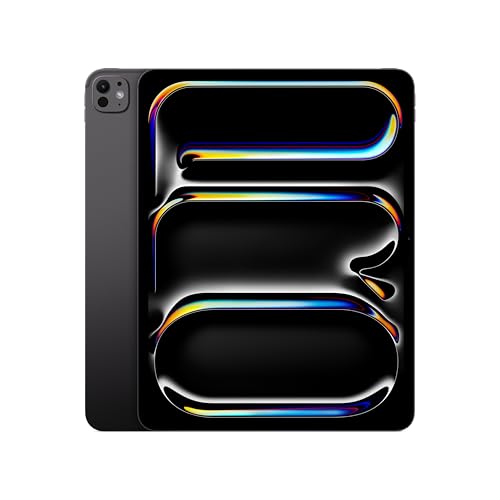
- Best standalone Apple option: Apple iPad Pro with Apple Pencil Pro — ideal for Procreate and portable drawing, with Sidecar for Mac work.
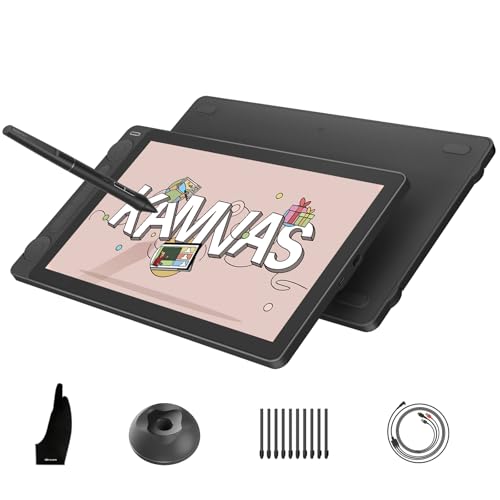
- Best portable pen display: Huion Kamvas 13 (Gen 3) — a compact, lower-cost display tablet for a MacBook setup.
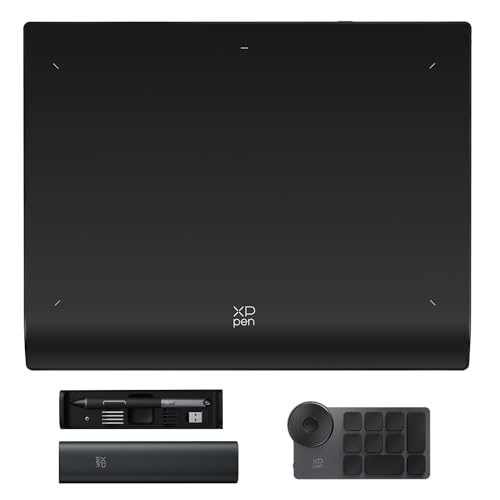
- Best value no-screen alternative: XPPen Deco Pro (Gen 2) — a well-equipped pen tablet with a large working area and wireless shortcut remote.


What To Look For in a Drawing Tablet for Mac
Choose the right type of tablet first
There are three distinct kinds of drawing tablet, and choosing the wrong one is the easiest way to spend too much.
- Pen tablets have no built-in screen. You look at your Mac display while drawing on the tablet, much as you use a trackpad. They are usually thinner, less expensive and easier to use with a calibrated Mac monitor. The Wacom Intuos Pro and XPPen Deco Pro are examples.
- Pen displays are external displays with pen input. You draw where you see the line, which is generally easier for beginners and more intuitive for illustration. They must be connected to a Mac and usually need a driver. The Wacom Cintiq and Huion Kamvas models are examples.
- Standalone tablets run their own operating system and apps. An iPad Pro is the strongest option here. It can be used on its own with Procreate or selected iPad versions of creative apps, and can also act as a Mac display through Sidecar.
There is no universally better type. A screen tablet feels immediate, but a quality pen tablet can be more comfortable for long sessions because you work on your main Mac display and keep your hands in a familiar desktop position.
Check the Mac connection, not just the port shape
USB-C and Thunderbolt ports look similar, but a display tablet needs more than a port that fits the cable. A one-cable setup normally requires your Mac to provide both DisplayPort Alt Mode video output and sufficient USB power delivery. If it does not, the tablet may need its 3-in-1 cable, a separate power supply or an HDMI connection.
This matters most with pen displays. Before buying, check the exact cable included with the version you are ordering and the tablet maker’s current Mac connection requirements. Do not assume that every USB-C cable carries video or that every retail bundle includes a full-featured USB-C cable.
Drivers matter on a Mac
Wacom, Huion and XPPen all supply macOS drivers for their current models. Install the latest driver directly from the manufacturer rather than relying on the one that came in the box.
Modern versions of macOS may also ask you to approve Accessibility and Input Monitoring permissions before the pen, pressure sensitivity or shortcut keys work properly. This is normal. It is also sensible to check the manufacturer’s driver-status page before installing a major new version of macOS. If you run into a problem with a Wacom, see our guide to fixing common Wacom tablet driver issues.
Do not overvalue pressure-sensitivity figures
Many current tablets quote either 8,192 or 16,384 pressure levels. Both are more than enough for excellent art. The feel of the pen, the pressure curve in the driver, the nib, the screen surface and the app you use matter more than the headline number.
Look instead for a battery-free pen with tilt support, comfortable grip options and a pressure curve you can adjust. A laminated, anti-glare drawing display also reduces the visible gap between the pen tip and cursor and makes on-screen drawing feel more direct.
Prioritize working area, shortcuts and ergonomics
A medium-sized pen tablet is the safest starting point for most Mac users. It gives enough room for accurate strokes without taking over the desk. A larger tablet is worthwhile if you use a large external monitor or prefer broad arm movements; a smaller one is easier to carry with a MacBook.
On a pen display, a stand and shortcut controls can make a bigger difference than an incremental specification upgrade. Dials, ExpressKeys and remote controls let you zoom, rotate the canvas, change brush size and undo without constantly reaching for the keyboard.
Match the display to the work you do
If you buy a pen display, resolution, colour coverage, brightness, lamination and surface finish matter. A 13-inch Full HD display is portable and affordable, but 15.8- or 16-inch 2.5K displays give you more room for palettes and fine detail.
For colour-critical client work, use a calibrated Mac monitor as your reference display where possible. A drawing display can have good colour, but it is not automatically a replacement for a properly calibrated desktop monitor.
Does Apple Make a Drawing Tablet?
Apple does not make a dedicated Mac drawing display in the way that Wacom and Huion do. The iPad Pro paired with an Apple Pencil Pro is the closest Apple alternative.
It is an excellent standalone drawing device: you can sketch and paint anywhere, use Procreate and run selected iPad versions of creative apps. It is also exceptionally well integrated with a Mac. With Sidecar, a compatible iPad can extend or mirror your Mac desktop and you can use Apple Pencil to draw in compatible Mac apps.
However, an iPad Pro is not simply a wireless Cintiq. Apple Pencil Pro is sold separately, Procreate is an iPad app rather than a Mac app, and iPad versions of Adobe or other creative software do not necessarily have the same features, plug-ins or subscription entitlement as their Mac counterparts.
Choose the iPad Pro if independent drawing and portability are central to what you want. If you mainly want a permanent pen input device for a Mac-based Photoshop, Illustrator, CAD or 3D workflow, a Wacom or Huion tablet is usually better value and more direct.
For a fuller comparison, see our guide to the iPad versus drawing tablets and how to use an iPad as a drawing tablet with a Mac.
1. Wacom Intuos Pro — Best Overall Drawing Tablet for Mac
The Wacom Intuos Pro is our top choice for artists, designers, photographers and 3D creators who work primarily on a Mac. It is a professional pen tablet rather than a display, so you draw on the Intuos Pro while looking at your Mac’s screen. That takes a little adjustment if you are new to graphics tablets, but it remains a very efficient and accurate way to work.
The current Intuos Pro was redesigned in 2025. It includes the Wacom Pro Pen 3, a battery-free stylus with 8,192 pressure levels and tilt support. The pen can be customized with different grips, button layouts and balance options, which is genuinely useful when you use it for hours at a time.
Wacom has also improved the physical controls. The Small model has five ExpressKeys and one mechanical dial; the Medium and Large versions have ten ExpressKeys and two dials. They are easier to use than touch-only controls for brush size, zoom, rotation and other repeat actions.
The Medium is the best balance for most people: it offers a generous drawing area without dominating a desk. Choose Small if you need a portable tablet for a MacBook, or Large if you prefer large arm movements and have the desk space.
What we like
- Excellent Pro Pen 3 feel, precision and customization.
- Battery-free stylus with 8,192 pressure levels and tilt support.
- USB-C wired connection or Bluetooth, with the ability to switch between multiple paired devices.
- Tactile ExpressKeys and mechanical dials are more useful than a touchscreen for many desktop workflows.
- Slim, durable design that works particularly well alongside a good external Mac monitor.
- Available in Small, Medium and Large sizes.
What to consider
- There is no screen, so there is an initial hand-to-eye coordination learning curve.
- It costs more than basic pen tablets, particularly in Medium and Large sizes.
- The new 2025 controls are different from the older Intuos Pro touch-ring layout, so existing Wacom users may need a little time to adapt.
- As with any third-party tablet, install the latest Wacom driver and review permissions after a macOS upgrade.
The Intuos Pro is not the cheapest way to start drawing on a Mac, but it is the model most likely to grow with you rather than feel limiting after a few months.
Read our full Wacom Intuos Pro review for more.
2. Huion Kamvas 16 (Gen 3) — Best Value Drawing Tablet With a Screen
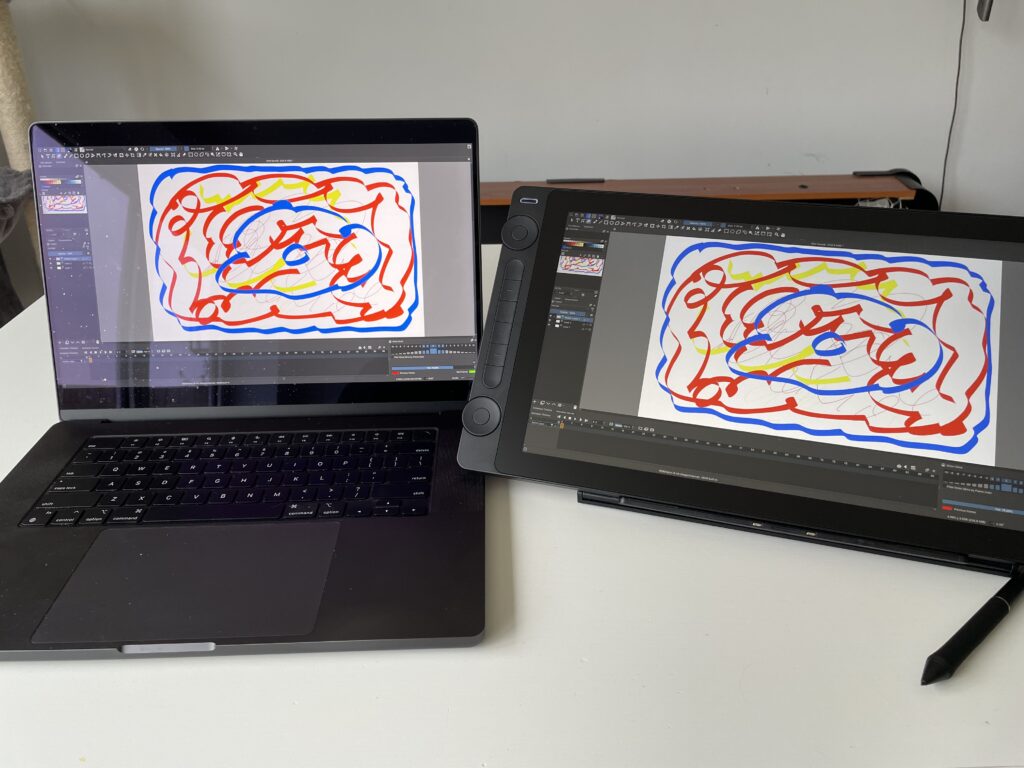
The Huion Kamvas 16 (Gen 3) is the best choice if you want the natural feel of drawing directly on a screen without stepping up to a much more expensive professional display tablet.
Its 15.8-inch, 2.5K (2560 x 1440) laminated display is a meaningful improvement over older Full HD 16-inch tablets. The etched anti-glare surface helps reduce reflections and adds a little welcome resistance under the nib, while the larger canvas gives you room for your art and tool palettes.
The Kamvas 16 (Gen 3) uses Huion’s PenTech 4.0 PW600L pen. It is battery-free, supports 16,384 pressure levels and up to 60-degree tilt, and has three customizable side buttons. More importantly in everyday use, the tablet itself includes two dial controllers and six programmable press keys. That makes it unusually good for working without constantly moving back to the keyboard.
It can connect through a full-featured USB-C connection or its 3-in-1 cable. Check your Mac and bundle carefully: a single USB-C cable is only an option when the connection supports the required video and power specifications.
What we like
- Sharp 15.8-inch 2.5K display with full lamination and an etched anti-glare surface.
- Excellent PenTech 4.0 pen with a light initial activation force, tilt and a stable nib.
- Two dials and six customizable shortcut keys are excellent for Photoshop, Clip Studio Paint and similar apps.
- Can also work in pen-tablet mode for longer sessions.
- Strong value if you want an on-screen Mac drawing experience.
What to consider
- It is a pen display, not a standalone tablet, so it needs a Mac or other compatible computer to run creative software.
- There is no finger-touch input.
- The optional stand is worthwhile for comfort, especially on a permanent desk.
- Its 220-nit display is fine indoors but less suitable for a bright, sunlit workspace than a premium display.
You can see it in use and read more in our full Huion Kamvas 16 (Gen 3) review.
3. Wacom Cintiq 16 (2025) — Best Premium Wacom Pen Display
The Wacom Cintiq 16 (2025) replaces the aging Cintiq 22 as our Wacom screen-tablet recommendation. It is a much better fit for a current Mac setup: slimmer, sharper, easier to connect and supplied with the excellent Pro Pen 3.
It has a 16-inch, 2.5K (2560 x 1600) 16:10 display, directly bonded anti-glare etched glass and a 290-nit panel. The bonded screen reduces parallax, so the line appears closer to the pen tip, while the etched surface gives you more of a paper-like feel than drawing on glossy glass.
Unlike an iPad, the Cintiq is a Mac display with pen input rather than a self-contained tablet. It needs your Mac and creative software to do anything. In return, you get a direct drawing surface for the full desktop versions of your Mac apps.
The Cintiq 16 can run with a single USB-C cable when the Mac supports DisplayPort Alt Mode and USB Power Delivery. Other setups may need HDMI, USB and power cables, so confirm your exact Mac and cable requirements before buying.
What we like
- Modern 2.5K, 16:10 display is much sharper and more useful than the old 1080p Cintiq 22.
- Wacom Pro Pen 3 is battery-free, precise and customizable.
- Directly bonded, anti-glare etched glass reduces parallax and reflections.
- Fold-out legs are included, and the tablet is VESA compatible if you prefer a proper arm or stand.
- A clean, fanless design is better suited to a quiet home studio.
What to consider
- It is a premium option and costs more than the Huion Kamvas 16 (Gen 3).
- It has no built-in ExpressKeys or finger-touch input; Wacom’s ExpressKey Remote is a separate accessory if you want physical shortcuts.
- It needs a Mac and a compatible connection; it is not a standalone device.
- You should not reuse the old Cintiq 22 listing when shopping, as this is a different 2025 model.
The Cintiq 16 is the right choice if you want Wacom’s pen technology and support, prefer an on-screen workflow and do not need the cost or specialist colour features of a Cintiq Pro.
4. Apple iPad Pro — Best Standalone Apple Drawing Tablet
The iPad Pro is the best Apple drawing tablet for Mac users, but it earns its place here for a slightly different reason to the Wacom and Huion models. It is a powerful standalone iPad first, then a useful Mac companion through Sidecar.
The current iPad Pro uses Apple’s M5 chip and has an Ultra Retina XDR display. Pair it with the Apple Pencil Pro for tilt sensitivity, hover, squeeze controls, barrel roll, haptic feedback and excellent palm rejection. The Apple Pencil Pro attaches and charges magnetically, but it is sold separately.
For portable illustration, Procreate is still a huge reason to choose an iPad Pro. It is fast, refined and designed around touch and Apple Pencil. The 13-inch iPad Pro is the more comfortable option for serious drawing; the 11-inch model is easier to carry.
When you are at your Mac, Sidecar lets you use a compatible iPad as a second display and draw with Apple Pencil in compatible Mac apps. This is useful, but it should be treated as an added benefit rather than the sole reason to buy an iPad Pro.
What we like
- The best standalone drawing experience for people already in the Apple ecosystem.
- Superb display, very low-latency pencil input and excellent palm rejection.
- Procreate and a wide selection of iPad creative apps make it immediately useful without a Mac.
- Sidecar can extend or mirror a compatible Mac desktop.
- Much more portable and versatile than a conventional pen display.
What to consider
- Apple Pencil Pro is an extra purchase.
- The iPad Pro is expensive if you only need an accessory for a Mac.
- It does not run macOS, and iPad creative apps are not always equivalent to their Mac versions.
- The glossy screen feels less like paper than the textured surface of a Cintiq or Kamvas.
- It does not give you the built-in desktop shortcut controls of a professional Wacom or Huion tablet.
Read more in our guide to using the iPad as n Apple drawing tablet and how to draw on a Mac.
5. Huion Kamvas 13 (Gen 3) — Best Portable Drawing Tablet With a Screen
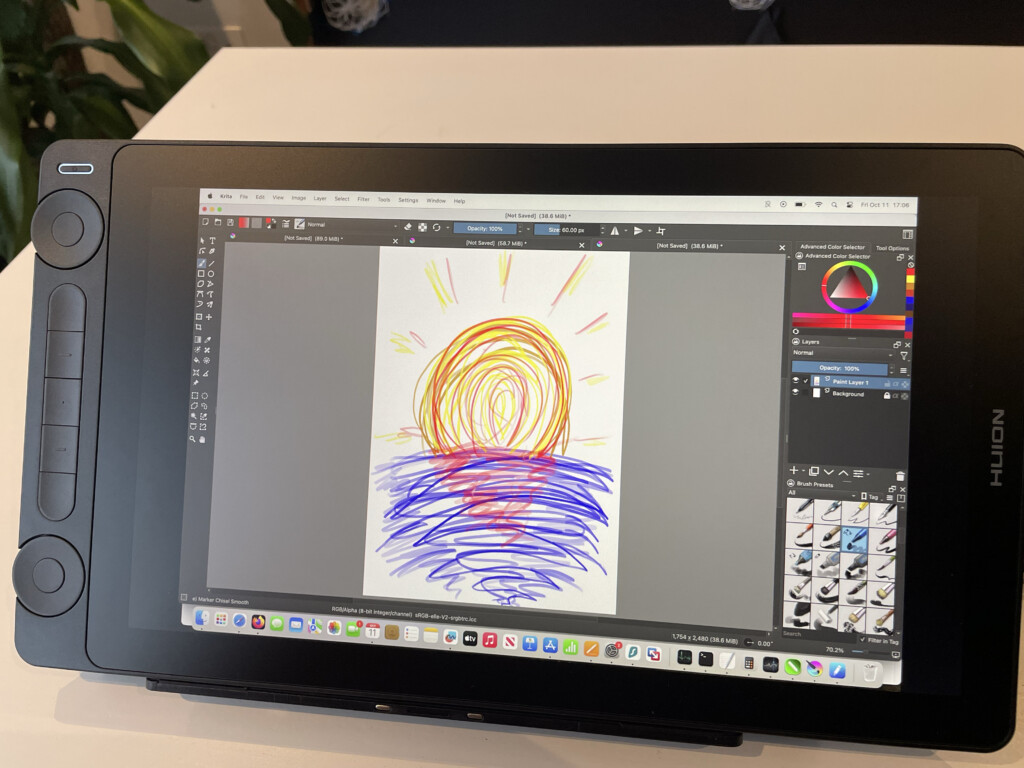
The Huion Kamvas 13 (Gen 3) is the more portable, more affordable alternative to the Kamvas 16. Its 13.3-inch Full HD display is smaller and less detailed, but it is far easier to carry alongside a MacBook and still gives you the intuitive experience of drawing on-screen.
Huion’s Gen 3 update is substantial. It adds the same PenTech 4.0 PW600L battery-free pen used by the larger Kamvas 16, including 16,384 pressure levels, tilt support and a more stable pen tip. The display is fully laminated and has an anti-glare etched surface, which helps it feel more deliberate and less slippery than drawing on bare glass.
It also has two dial controllers and five programmable press keys, unusually generous shortcut controls for a compact display tablet. At 865 g, it is a sensible choice for students, hobbyists and anyone who wants a display tablet they can move between a desk and a MacBook bag.
What we like
- Compact 13.3-inch display tablet that is much easier to travel with than a 16-inch model.
- Fully laminated Full HD display with an etched anti-glare surface.
- PenTech 4.0 pen offers excellent pressure response and tilt support.
- Two dials and five programmable shortcut keys help offset the smaller screen.
- Can switch between pen-display and pen-tablet modes.
What to consider
- The Full HD screen is less spacious and less sharp than the 2.5K Kamvas 16.
- There is no touch input.
- A full-featured USB-C cable is optional in some bundles, so confirm what you are getting before ordering.
- The stand is optional and worth budgeting for if you draw for long periods.
Read our full Huion Kamvas 13 review for more.
6. XPPen Deco Pro (Gen 2) — Best Value No-Screen Alternative
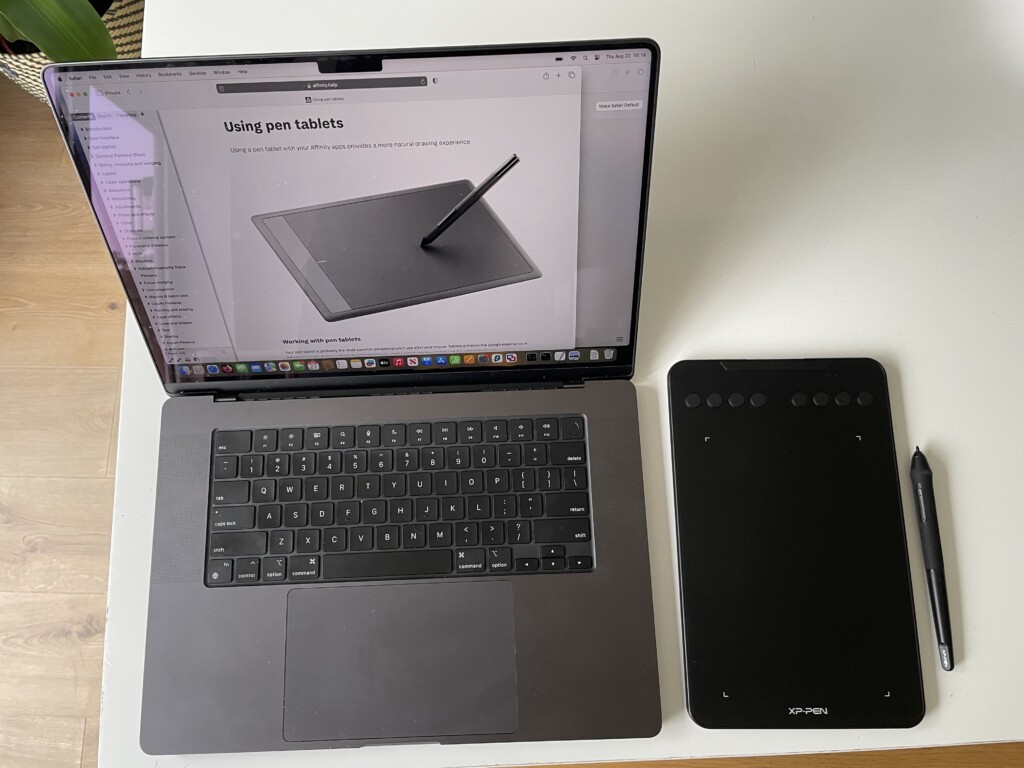
The XPPen Deco Pro (Gen 2) is a strong alternative if you like the no-screen workflow of the Wacom Intuos Pro but want a more affordable route to a large, modern pen tablet.
It is available in three working areas: 9 x 6 inches, 11 x 7 inches and 15 x 9 inches. The X3 Pro stylus supports 16,384 pressure levels and 60-degree tilt, but the more practical advantages are the broad, seamless drawing surface, a built-in wrist rest and a battery-free pen with an eraser end.
Unlike the Intuos Pro, the shortcut controls are supplied as a separate wireless X-Remote rather than built into the tablet. That is less tidy, but it gives you more flexibility over where you put the controls and can be a good fit for a MacBook or external-monitor setup.
The Deco Pro (Gen 2) supports wired USB-C or Bluetooth connection, and XPPen lists Mac support through its current driver. It is a capable option for illustration, retouching, photo editing and general pen input, although we would still choose the Intuos Pro for the most refined professional Wacom ecosystem.
What we like
- Good-value, no-screen tablet with a choice of three large working areas.
- Battery-free X3 Pro pen with 16,384 pressure levels, 60-degree tilt and an eraser end.
- Bluetooth and wired USB-C connectivity.
- Wireless X-Remote makes shortcut placement flexible.
- Comfortable seamless work surface and integrated wrist rest.
What to consider
- No screen, so it has the same initial coordination learning curve as any pen tablet.
- The remote is separate rather than integrated into the tablet.
- Pressure-level numbers alone do not make it more accurate than Wacom; pen feel and driver setup remain important.
- Check the latest XPPen driver before updating to a major new version of macOS.
Do Drawing Tablets Work With Apple Silicon Macs?
Yes, current Wacom, Huion and XPPen models have macOS drivers and can be used with Apple Silicon Macs. The real consideration is connection type and driver support, not whether your Mac has an Intel or Apple chip.
For pen tablets, setup is usually simple: connect by USB-C or Bluetooth, install the manufacturer driver and approve the requested macOS permissions. Pen displays require a video connection as well, which is why checking DisplayPort Alt Mode, power delivery and the supplied cable is so important.
If you use a hub or dock, test the tablet directly with your Mac first. A dock can be convenient, but it adds another possible source of power or display-signal problems.
Are 16,384 Pressure Levels Better Than 8,192?
Not necessarily in a way you will feel immediately. Both 8,192 and 16,384 levels are extremely sensitive. A well-tuned 8,192-level Wacom pen can feel better to an individual artist than a 16,384-level pen from another brand.
Treat pressure sensitivity as a baseline specification, then prioritize the drawing surface, pen comfort, calibration, driver stability, colour quality and shortcut workflow. If possible, try a tablet in person or buy from a retailer with a sensible return policy.
Which Drawing Tablet for Mac Should You Buy?
For most people who create in desktop Mac apps, buy the Wacom Intuos Pro. Its no-screen design is not a compromise: it is accurate, portable, comfortable and makes the best use of your Mac’s existing display.
Buy the Huion Kamvas 16 (Gen 3) if you want to draw directly on a screen at the best balance of features and cost. Choose the Wacom Cintiq 16 (2025) if you want a more premium Wacom display tablet, the iPad Pro if standalone Apple drawing matters most, or the Huion Kamvas 13 (Gen 3) if portability is your priority.
Whichever model you choose, install its current Mac driver, set up your shortcuts and spend time adjusting the pressure curve. Those small setup steps have a much bigger effect on the finished experience than chasing the biggest number on a specification sheet.