

Adobe Premiere Pro remains the benchmark by which most professional video editors are judged and is one of our top ranked best video editing software for Mac.
Whether you’re producing YouTube videos, short films, documentaries, social media content or feature-length productions, it’s one of the most powerful and versatile non-linear editors (NLEs) available for macOS.
While Apple’s Final Cut Pro has become faster than ever on Apple Silicon Macs, Premiere Pro continues to dominate the professional editing world thanks to its cross-platform compatibility, deep integration with Adobe Creative Cloud and an ever-growing collection of AI-powered editing tools.
Recent versions have transformed Premiere Pro from a traditional timeline editor into a much smarter editing platform. Features powered by Adobe Firefly AI – such as text-based editing, automatic caption generation, Speech Enhance and Generative Extend – can dramatically reduce the time spent on repetitive editing tasks while making professional-quality results easier to achieve.
Premiere Pro also integrates seamlessly with Adobe After Effects, Photoshop, Audition, Illustrator and Frame.io, making it particularly attractive to creators who already use other Adobe applications.
The trade-off is that Premiere Pro still has a steeper learning curve than beginner-friendly editors such as iMovie or Filmora, and its subscription-only pricing won’t appeal to everyone. However, if you’re serious about video editing, there’s still very little that rivals its flexibility and professional feature set.
What Is Adobe Premiere Pro?
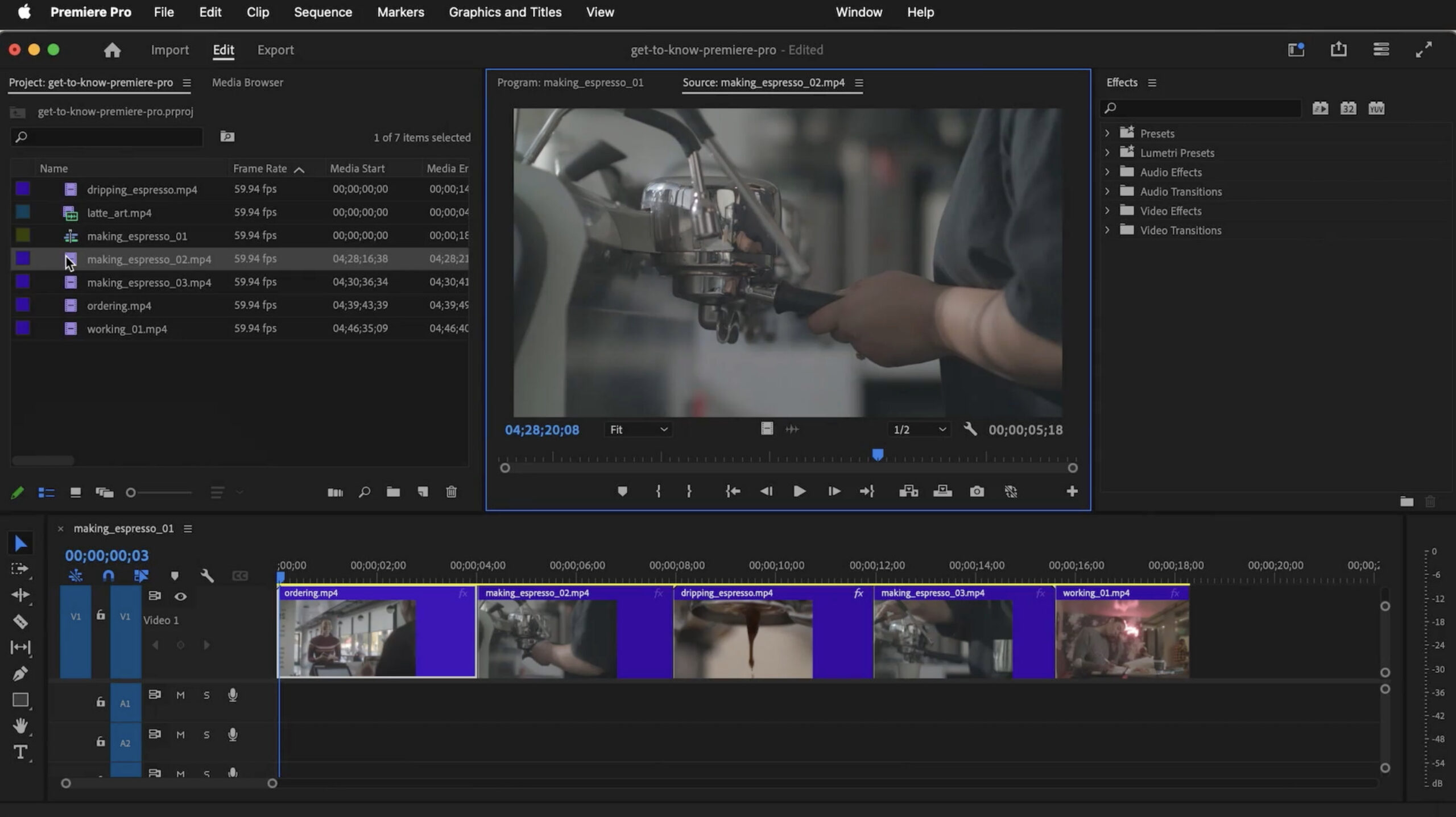
Adobe Premiere Pro is a professional non-linear video editing application developed by Adobe and included as part of Adobe Creative Cloud.
It’s used by independent creators, YouTubers, marketing teams and many of the world’s largest film and television production studios. Unlike Final Cut Pro, Premiere Pro works on both macOS and Windows, making it the preferred choice for collaborative editing environments where team members use different operating systems.
Despite its professional heritage, Adobe has spent the last few years making Premiere Pro considerably more approachable. The application now includes guided tutorials, contextual help, AI-assisted editing tools and automated processes that reduce the learning curve for newcomers without sacrificing the advanced controls professionals expect.
Premiere Pro supports virtually every modern video format you’ll encounter, including:
- 4K, 6K and 8K projects
- ProRes and ProRes RAW
- RED footage
- Blackmagic RAW
- H.264 and HEVC
- AV1
- HDR video
- Vertical video for TikTok, Instagram Reels and YouTube Shorts
Whether you’re editing footage from an iPhone, mirrorless camera, drone or cinema camera, Premiere Pro is designed to handle complex projects with minimal transcoding.
One of its biggest strengths is its integration with the wider Adobe products. You can move projects seamlessly between Premiere Pro, After Effects, Photoshop, Audition and Illustrator using Dynamic Link, eliminating the need to constantly export and re-import files.
For creators already invested in Creative Cloud, this interconnected workflow remains one of Premiere Pro’s biggest advantages over competing editors.
How Much Does Adobe Premiere Pro Cost?
Adobe Premiere Pro is available exclusively as a subscription through Adobe Creative Cloud. While some users still prefer the one-time purchase model offered by Final Cut Pro, the advantage of Adobe’s subscription is that you always have access to the latest features, AI tools and compatibility updates without paying for major upgrades.
For most users, there are three subscription options worth considering.
Premiere Pro Single App Plan
If you only need Premiere Pro, the Single App plan is the most affordable choice. It includes:
- Adobe Premiere Pro
- Adobe Express Premium
- Adobe Firefly generative AI credits
- 100GB of Creative Cloud storage
- Regular feature updates
- Access to Adobe Fonts and Adobe Portfolio
This is the best option for YouTubers, freelancers and anyone who doesn’t need Photoshop or After Effects.
Creative Cloud All Apps Plan
If you regularly work with graphics, photography or motion graphics, the Creative Cloud All Apps subscription offers significantly better value.
In addition to Premiere Pro, it includes more than 20 Adobe applications including:
- Photoshop
- After Effects
- Lightroom
- Illustrator
- Audition
- InDesign
- Acrobat Pro
- Adobe Express
The real benefit is how tightly these applications work together. For example, you can create motion graphics in After Effects and edit them directly in Premiere Pro using Dynamic Link, without exporting intermediate files. Likewise, Photoshop files update automatically inside Premiere Pro whenever you save changes.
For professional creators, this integrated workflow is still one of Adobe’s biggest advantages over competing video editors.
Student and Teacher Discounts
Students and educators can receive substantial discounts on the Creative Cloud All Apps plan, making Premiere Pro considerably more affordable if you’re studying filmmaking, media production or design.
Adobe also offers a free 7-day trial, giving you enough time to explore the software before committing to a subscription.
While Premiere Pro isn’t the cheapest video editor available, it’s excellent value if you’re producing content professionally or already use other Adobe applications. The continual addition of AI-powered features means the software has evolved significantly over the last few years without requiring expensive paid upgrades.
Adobe Premiere Pro System Requirements (2026)
Premiere Pro runs on both Intel-based Macs and Apple Silicon Macs, although Adobe’s latest optimisations mean the software performs considerably better on Apple’s M-series processors.
Minimum Requirements
- macOS (current Adobe-supported versions)
- Apple Silicon or Intel processor with Metal support
- 8GB RAM (16GB recommended)
- SSD storage
- Metal-compatible GPU
Recommended for Professional Editing
For editing 4K, 6K or 8K footage smoothly, we recommend:
- Apple M3 Pro, M3 Max, M4 Pro or M5 Max
- 24GB RAM or more
- Fast internal SSD with additional external NVMe storage
- High-speed Thunderbolt storage for large media libraries
While Premiere Pro will run on an 8GB MacBook Air, projects involving multiple video tracks, colour grading or AI-powered features benefit enormously from additional memory.
If you’re buying a new Mac primarily for video editing, we generally recommend at least 24GB of unified memory, particularly if you also use Photoshop, After Effects or Lightroom alongside Premiere Pro.
Does Adobe Premiere Pro Run Well on Apple Silicon Macs?
Yes. Adobe Premiere Pro is now fully native on Apple Silicon and performs exceptionally well on modern Macs.
The early days of running Premiere Pro through Rosetta 2 are long gone. Current versions have been heavily optimised for Apple’s M-series chips, taking advantage of the CPU, GPU, Neural Engine and dedicated media engines built into Apple Silicon.
On Macs powered by the latest M3, M4 and M5 processors, Premiere Pro launches quickly, scrubbing through high-resolution footage feels smooth and exports are significantly faster than they were on older Intel-based machines.
Performance improvements are particularly noticeable when working with:
- 4K and 8K footage
- ProRes and ProRes RAW media
- Multi-camera timelines
- Hardware-accelerated H.264 and HEVC exports
- HDR projects
- AI-powered editing features
Adobe has also optimised background rendering and playback, allowing editors to continue working while many processing tasks happen behind the scenes.
Although Final Cut Pro still has a slight edge in raw performance on Apple Silicon thanks to its deep integration with macOS, the gap has narrowed considerably. For most editors, Premiere Pro now feels every bit as responsive on modern Macs while offering greater flexibility, broader format support and superior cross-platform compatibility.
What’s New in Adobe Premiere Pro (2026)?
Adobe has steadily shifted its focus from simply adding editing tools to making Premiere Pro significantly faster through AI-assisted tools. Rather than replacing editors, these features automate repetitive tasks so you can spend more time refining your creative work.
Some of the standout additions include:
Adobe Firefly AI
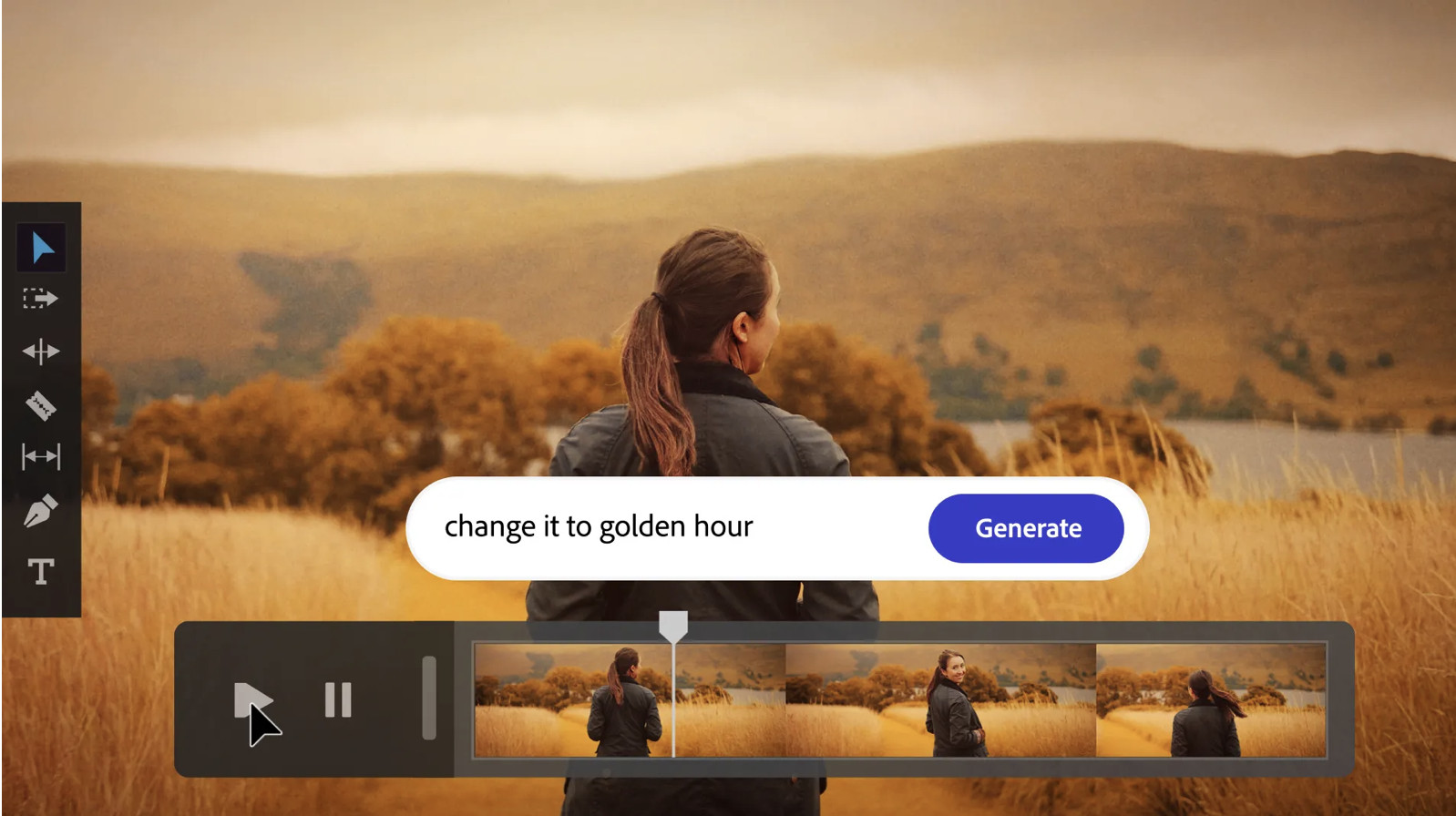
Adobe Firefly now powers several of Premiere Pro’s most impressive features. Instead of manually extending clips or rebuilding missing frames, Generative Extend can intelligently create additional video and ambient audio, making it easier to smooth awkward edits or slightly lengthen shots without returning to the original footage.
Text-Based Editing
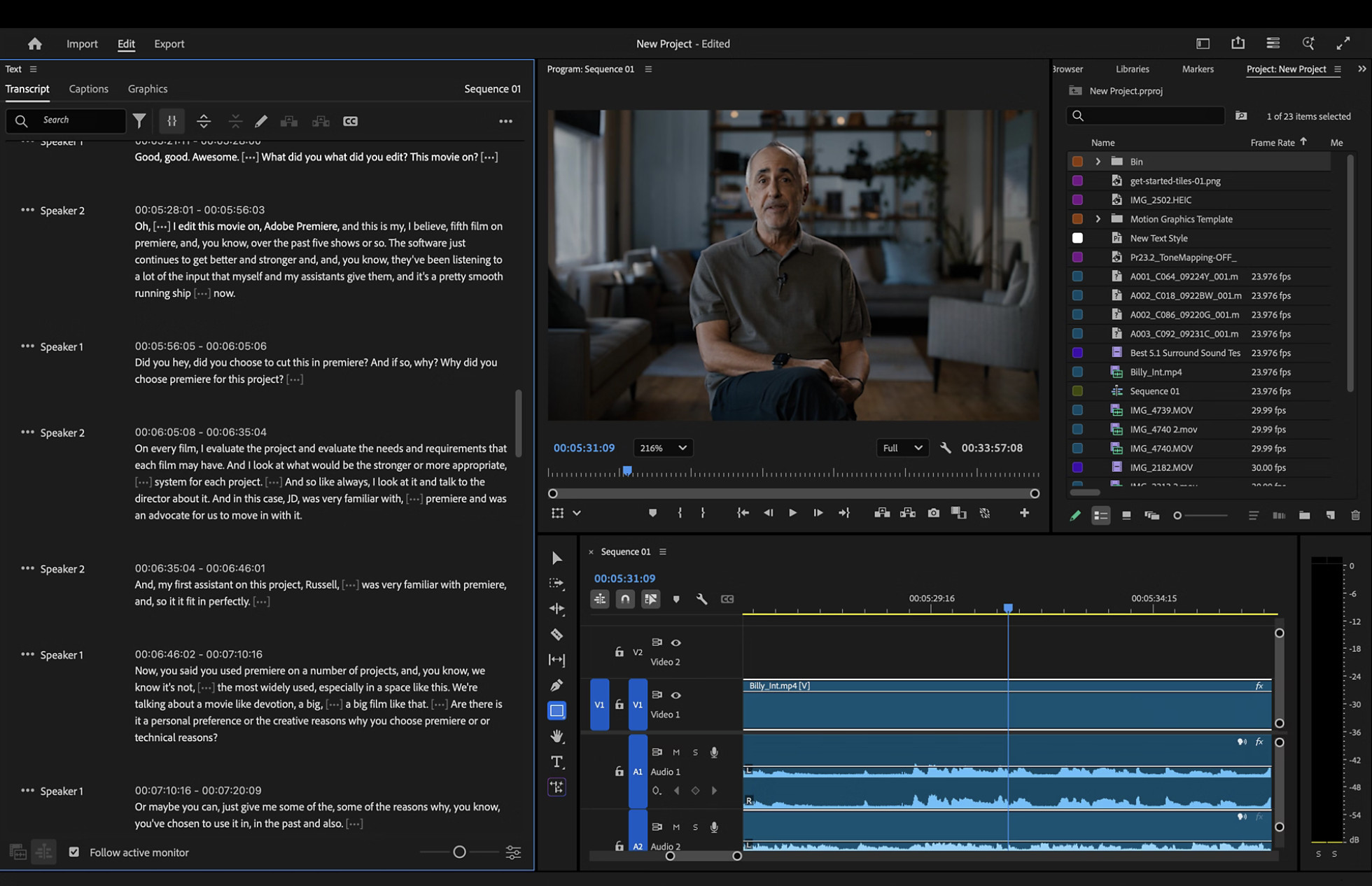
One of Premiere Pro’s biggest productivity improvements is Text-Based Editing. After automatically transcribing your footage, Premiere Pro lets you edit your video simply by deleting words from the transcript. It’s particularly useful for interviews, podcasts and YouTube videos, dramatically reducing the time spent trimming dialogue.
AI Caption Generation
Creating subtitles is now largely automated. Premiere Pro can generate accurate captions, identify multiple speakers and give you extensive formatting options for different social media platforms. This makes producing accessible content much faster than manually creating subtitles from scratch.
Enhance Speech
Background noise has long been one of the biggest challenges for content creators. The Enhance Speech feature uses AI to reduce unwanted sounds and improve dialogue clarity, often producing results that previously required dedicated audio restoration software.
Smarter Colour Management
Recent updates have also improved colour consistency across different cameras and formats, while the Lumetri Color workspace continues to offer some of the best colour grading tools available outside dedicated applications like DaVinci Resolve.
Better Social Media Integration
Adobe has refined support for vertical video, making it easier to produce content for TikTok, Instagram Reels and YouTube Shorts. Intelligent auto-reframing, platform-specific export presets and improved caption tools streamline publishing across multiple platforms without maintaining separate projects.
Interface & Editing Workflow
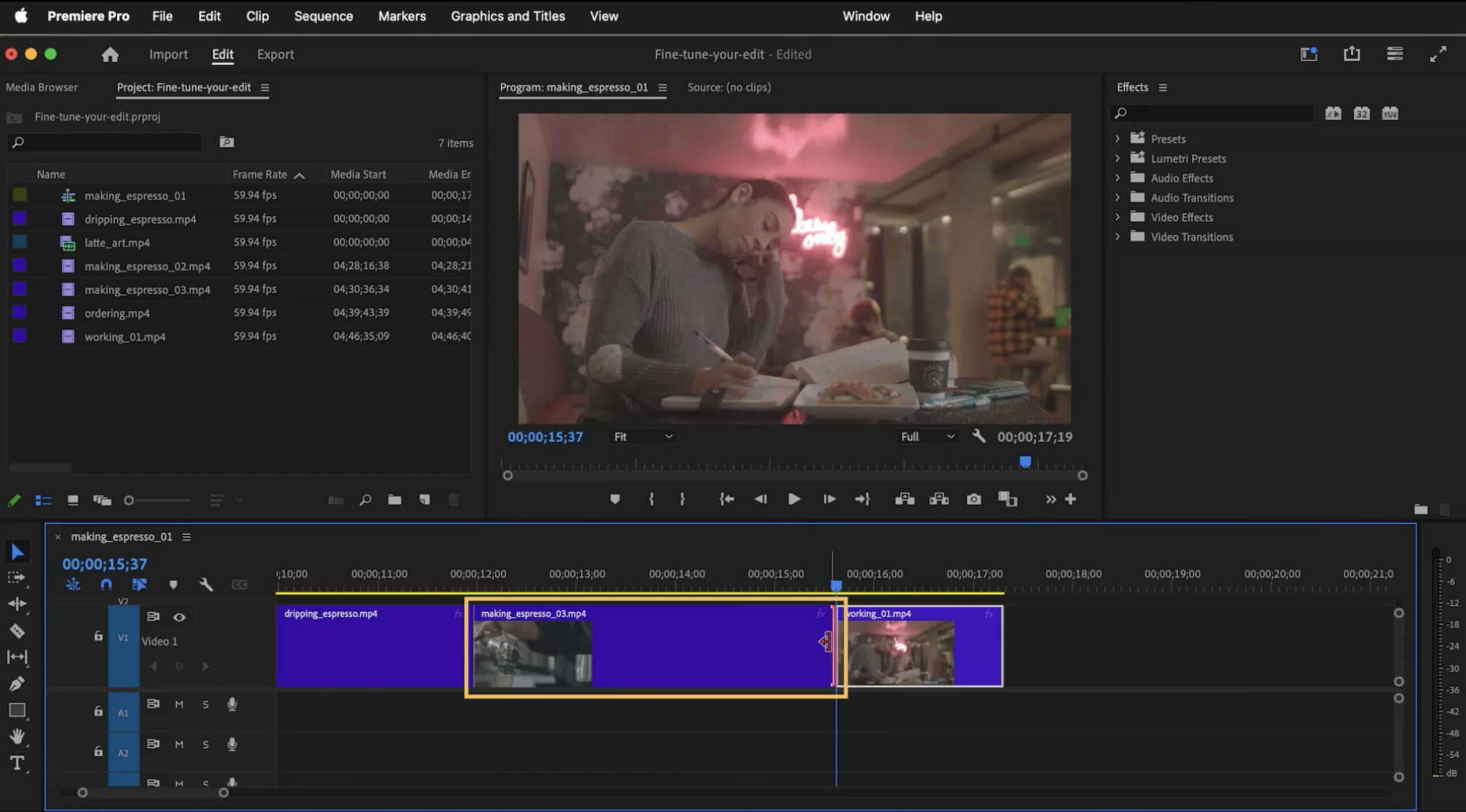
One of Premiere Pro’s greatest strengths is that it scales with your experience. Beginners can quickly assemble simple videos using the default workspace, while experienced editors have access to one of the most flexible editing environments available on macOS.
Although the interface initially looks intimidating compared to iMovie or even Final Cut Pro, Adobe has spent the last few years streamlining the workflow and reducing unnecessary complexity. Once you understand how the application is organised, it’s surprisingly logical to navigate.
The interface is divided into dedicated workspaces that guide you through the editing process:
- Import
- Edit
- Colour
- Effects
- Audio
- Graphics & Titles
- Export
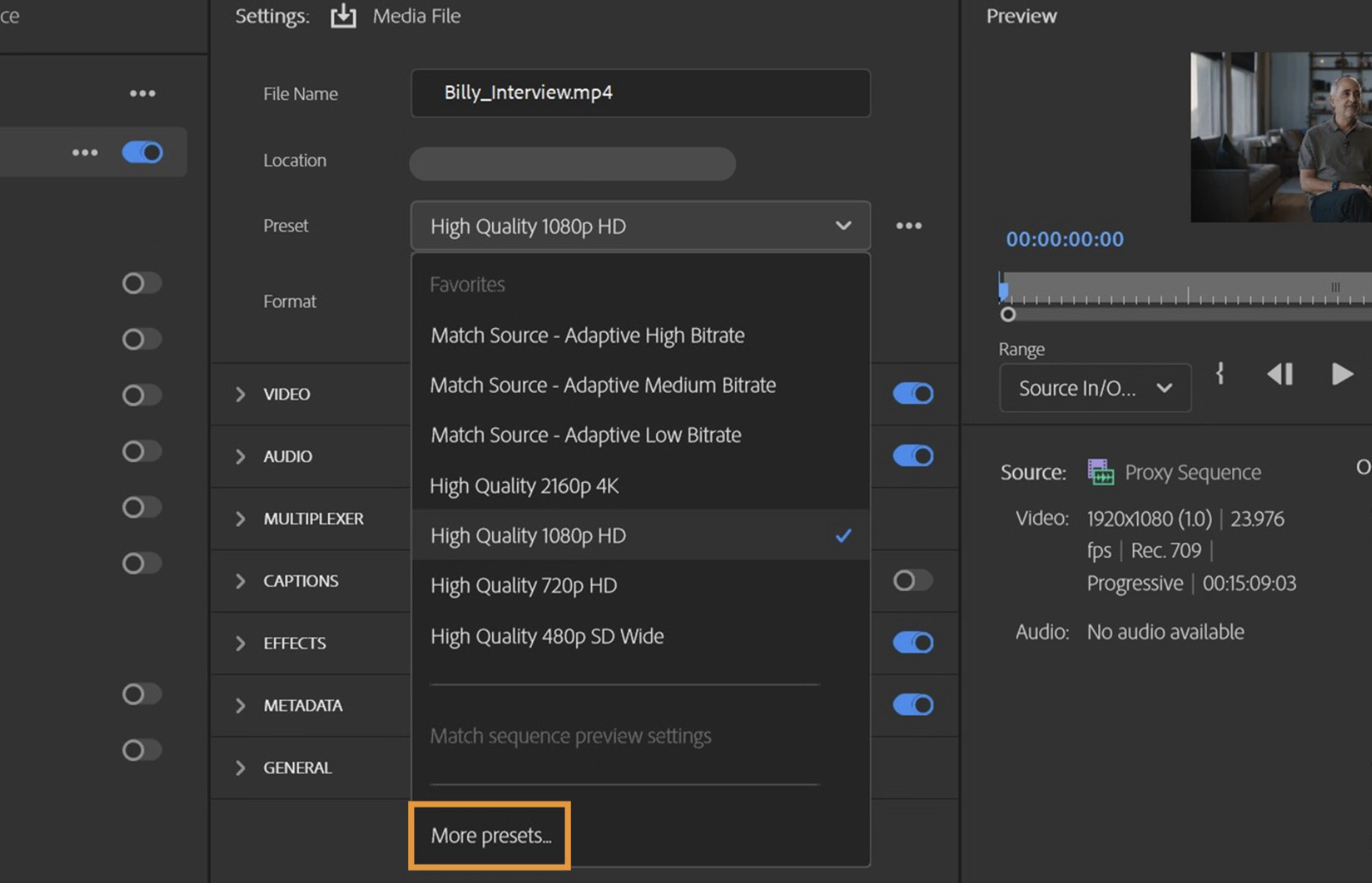
Each workspace presents only the tools relevant to that stage of your project, helping keep the interface manageable even on smaller MacBook displays.
Unlike some editors that lock you into predefined layouts, Premiere Pro allows every panel to be moved, resized, hidden or saved as a custom workspace. If you regularly switch between editing interviews, colour grading or creating social media videos, you can create different layouts for each workflow.
After using Premiere Pro for a while, this flexibility becomes one of its biggest advantages over simpler editors.
Importing Footage
Importing media has become considerably easier in recent versions.
Rather than simply dropping users into a blank project, Premiere Pro now opens with a dedicated Import workspace that walks you through bringing media into your project.
You can import footage from:
- Finder
- External SSDs
- SD cards
- Digital cameras
- iPhones
- Professional cinema cameras
- Network storage
- Adobe Creative Cloud
Premiere Pro supports virtually every professional video format you’re likely to encounter without requiring lengthy transcoding.
Supported formats include:
- ProRes
- ProRes RAW
- H.264
- HEVC (H.265)
- AV1
- RED RAW
- Blackmagic RAW
- ARRIRAW
- Canon Cinema RAW Light
- Sony XAVC
For Mac users working with footage captured on an iPhone, Premiere Pro also handles Apple’s ProRes recordings exceptionally well.
Another welcome addition is automatic media organisation, allowing clips to be grouped by camera, date or scene before editing even begins.
Timeline Editing
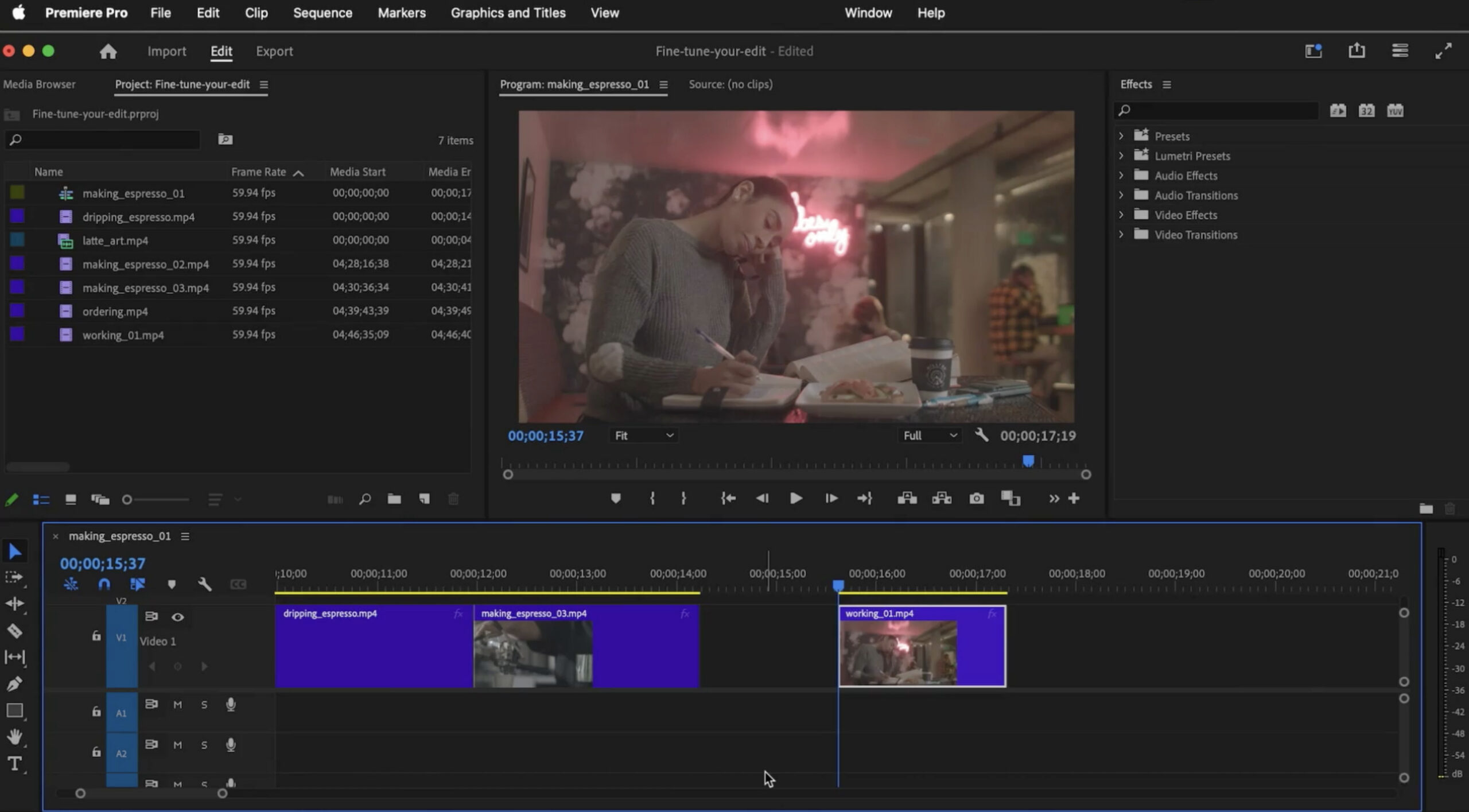
The timeline remains the heart of Premiere Pro and continues to be one of the most capable non-linear editing systems available.
If you’ve previously used Final Cut Pro or DaVinci Resolve, the overall workflow will feel familiar.
Editors simply drag clips onto the timeline where they can:
- Trim footage
- Split clips
- Rearrange scenes
- Add transitions
- Mix audio
- Insert graphics
- Layer multiple video tracks
- Build complex multi-camera sequences
Premiere Pro offers almost unlimited flexibility here.
Unlike simpler editors that encourage linear editing, Premiere allows you to build sophisticated projects containing dozens—or even hundreds—of video, graphics and audio layers.
Despite this complexity, the timeline remains responsive on modern Apple Silicon Macs, even when working with 4K footage.
Keyboard shortcuts also play a huge role in speeding up editing. Nearly every editing command can be triggered from the keyboard, and experienced editors can customise shortcuts to match Final Cut Pro, Avid or their own preferred workflow.
This makes Premiere Pro particularly efficient once you’ve invested time learning its editing tools.
AI Editing Tools
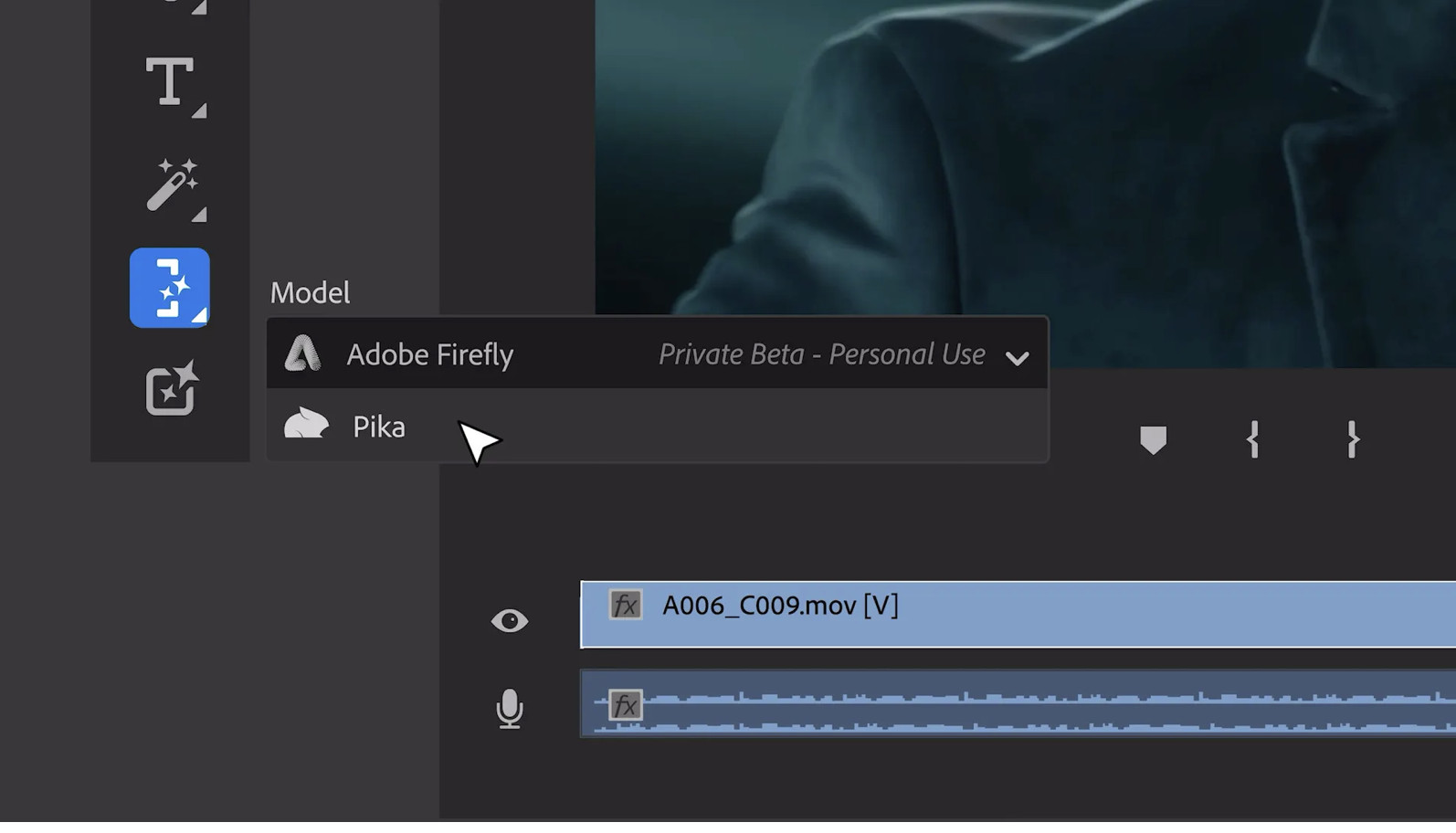
Perhaps the biggest difference between today’s Premiere Pro and the version from just a few years ago is how much artificial intelligence is now integrated throughout the editing process.
Unlike many AI features that feel like marketing gimmicks, Adobe has focused on automating repetitive editing tasks that previously consumed hours of manual work.
Text-Based Editing
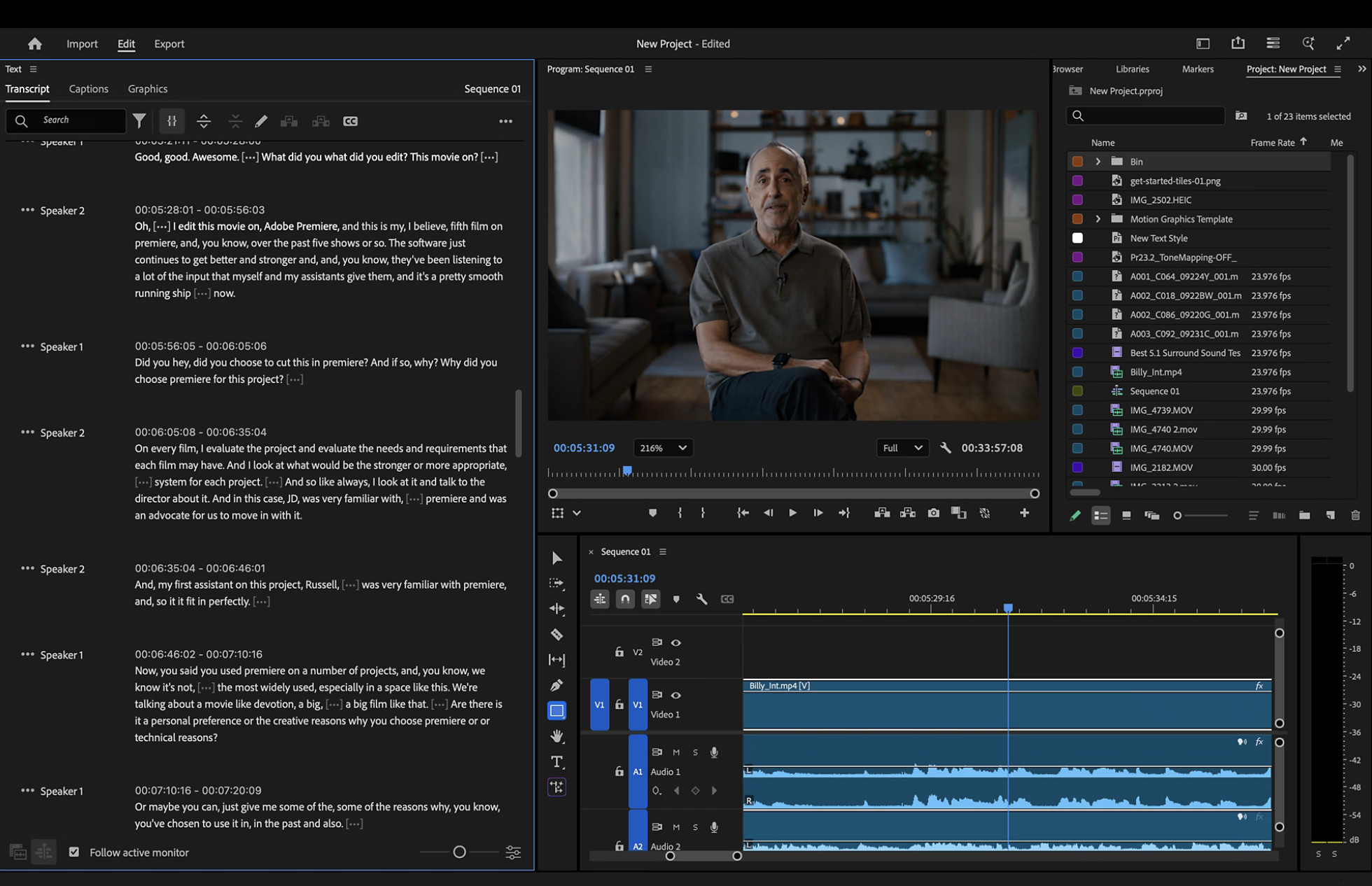
One of our favourite additions is Text-Based Editing.
Premiere Pro automatically transcribes dialogue in your footage before presenting it as a searchable transcript.
Instead of trimming clips manually on the timeline, you can simply delete words or sentences from the transcript.
Premiere instantly removes the corresponding sections from your video.
For interviews, podcasts and YouTube content, this dramatically speeds up rough editing and makes it much easier to remove mistakes, awkward pauses and filler words.
If you’ve ever edited a talking-head video manually, this feature alone can save a considerable amount of time.
Enhance Speech
Poor audio can ruin an otherwise excellent video.
Adobe’s AI-powered Enhance Speech tool analyses dialogue and intelligently reduces background noise while improving vocal clarity.
Rather than spending time adjusting EQ, compression and noise reduction manually, Premiere Pro can often produce cleaner speech with a single click.
It’s particularly useful when editing footage recorded in cafés, offices or outdoor locations where unwanted ambient noise is difficult to avoid.
While it won’t completely rescue severely damaged recordings, it performs remarkably well on everyday content.
Automatic Captions
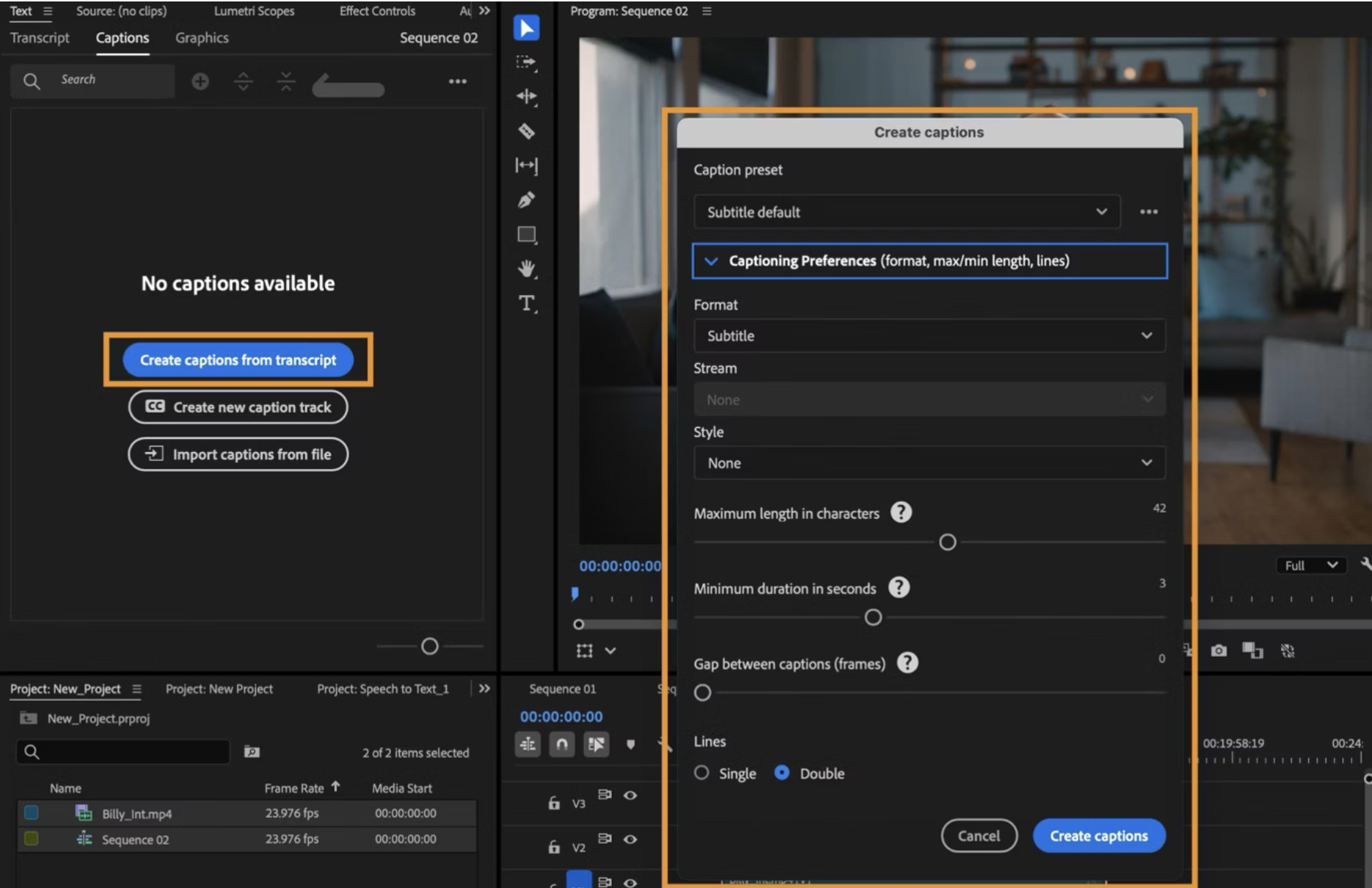
Subtitles have become almost essential for YouTube and social media videos.
Although YouTube can now automatically generate captions, Premiere Pro can also automatically generate captions in multiple languages using speech recognition.
Captions can then be edited, reformatted and exported in several different formats.
For creators publishing content across YouTube, TikTok and Instagram, this removes one of the most repetitive parts of the editing process.
Generative Extend
One of Adobe’s newest Firefly-powered features is Generative Extend.
Rather than ending a clip abruptly, Premiere Pro can intelligently generate a few additional seconds of video and ambient audio to smooth transitions or give editors greater flexibility when refining cuts.
While it’s not something you’ll use on every project, it can be invaluable when a shot ends just slightly too early or you need a little more breathing room between scenes.
Colour Grading
Colour correction has long been one of Premiere Pro’s strongest areas.
The dedicated Lumetri Color workspace offers professional-grade controls while remaining approachable for less experienced editors.
Editors can quickly adjust:
- Exposure
- Contrast
- White balance
- Highlights
- Shadows
- Saturation
- Curves
- Colour wheels
More advanced users can build sophisticated colour grades using masks, tracking and secondary colour correction.
Premiere Pro also supports LUTs (Lookup Tables), making it easy to apply cinematic colour profiles or match footage captured on different cameras.
Recent improvements to HDR colour management have also simplified working with high dynamic range footage, helping ensure more consistent results across different devices and display standards.
Although DaVinci Resolve still offers the deepest colour grading toolkit available, Premiere Pro strikes an excellent balance between professional control and ease of use.
Motion Graphics & Titles
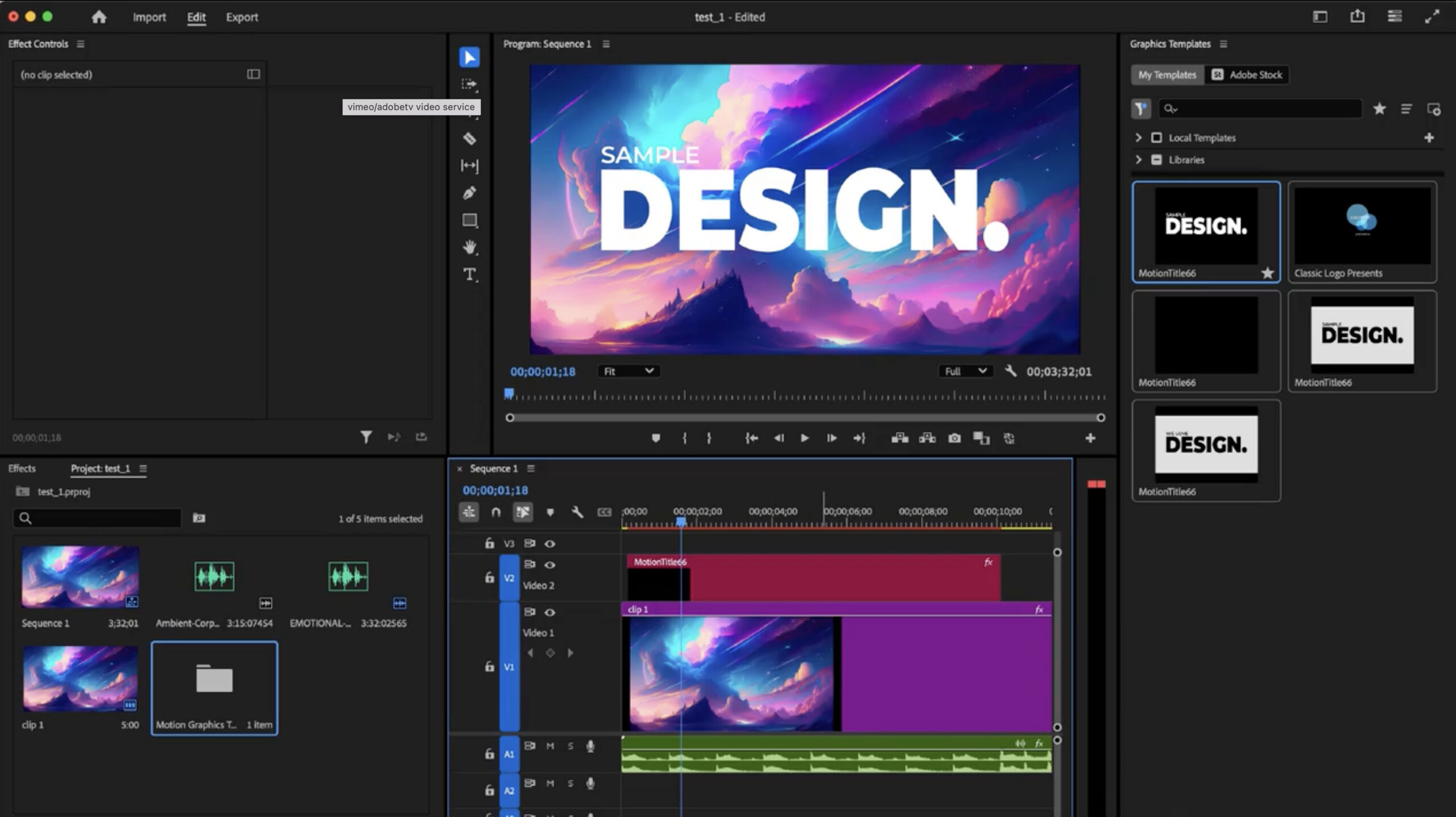
Creating professional-looking titles has become much easier thanks to Premiere Pro’s Essential Graphics panel.
Users can quickly add:
- Lower thirds
- Animated titles
- Captions
- Logos
- Callouts
- Social media graphics
Templates can be customised without requiring any animation experience.
For more advanced motion graphics, Premiere Pro integrates seamlessly with Adobe After Effects using Dynamic Link.
Instead of exporting projects backwards and forwards between applications, changes made in After Effects automatically update inside Premiere Pro.
For creators already using Adobe Creative Cloud, this remains one of Premiere Pro’s biggest advantages over Final Cut Pro.
Effects & Transitions
Premiere Pro includes hundreds of built-in effects covering everything from subtle colour adjustments to dramatic visual transitions.
Popular effects include:
- Blur
- Sharpen
- Stabilisation
- Speed ramping
- Green screen (Ultra Key)
- Lens distortion
- Motion blur
- Noise reduction
- Perspective correction
The software also supports an enormous range of third-party plugins from developers such as Boris FX, Red Giant, Maxon and Motion Array, allowing editors to expand Premiere Pro far beyond its default capabilities.
This extensive plugin support is one reason Premiere Pro continues to be widely used throughout the film, television and online content industries.